
Federal Funds Push Fusion Chip Development Amid Grid Ambitions
A new government grant aims to solve the hardware bottlenecks that stand between experimental reactors and widespread commercial power generation.
By Adewale Fletcher ·
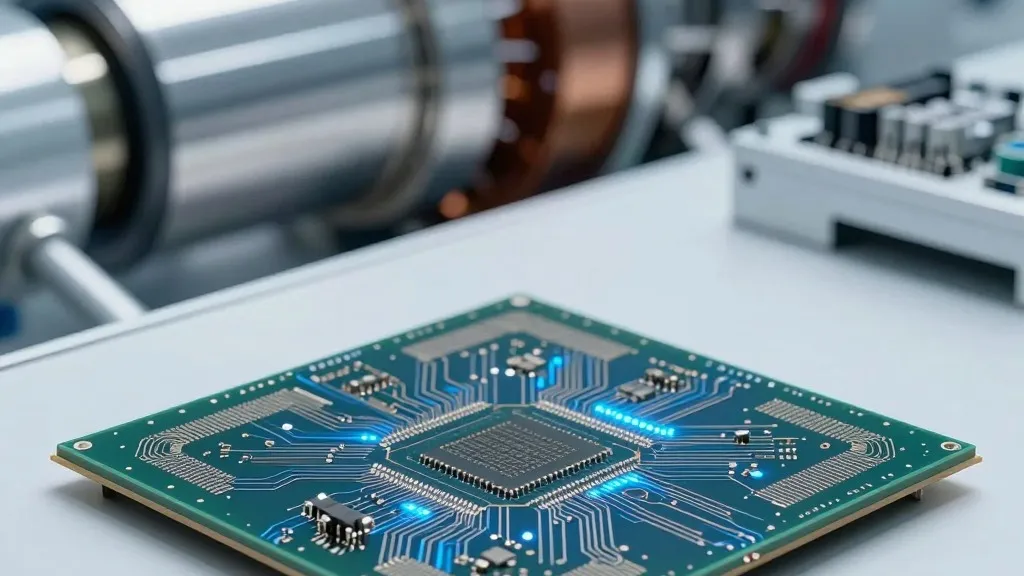
The path to commercial fusion power hinges on more than just plasma containment; it requires the semiconductor infrastructure to manage the energy output.
Commonwealth Fusion Systems (CFS) announced on Thursday that it has secured an $85 million award from the U.S. Department of Commerce. This funding is part of the CHIPS Act program and comes with a government equity stake in the company. The money is designated to bolster research and expand domestic manufacturing capabilities for specialized chips. While the primary goal is to support fusion technology, the investment signals a broader federal effort to keep advanced power electronics production within the United States.
The timing of this award is critical as several startups, including CFS, work toward completing their first demonstration reactors. CFS specifically aims to activate its Sparc reactor in the coming year. However, a single working reactor serves primarily as a scientific proof point. To transition from laboratory curiosities to a network of commercial power plants, companies need robust power electronics and a reliable supply chain. The award targets five specific technical areas to address these gaps.
One major focus is the development of silicon carbide power electronics. These semiconductors are already common in electric vehicles, data centers, and telecommunications infrastructure because they handle high voltages efficiently. In fusion reactors, they manage the intense electrical bursts required to drive superconducting magnets. These magnets are essential for confining the plasma. The company also plans to create next-generation radio-frequency power generators used to heat the fusion fuel.
Additional efforts will target radiation-hardened electronics. These components are designed to withstand the harsh environment inside a reactor, potentially extending their operational lifespan. Longer-lasting parts could lower the long-term operating costs of fusion plants. The final initiative involves adapting artificial intelligence hardware, including GPUs and TPUs, for use in power plant systems. This suggests a move toward smarter, more automated management of the reactor’s complex operations.
Brandon Sorbom, co-founder and chief science officer at CFS, highlighted the dual benefit of the funding in a blog post. He stated that the investment would lead to more economical power plants and a stronger domestic supply chain. Sorbom noted that the grant helps improve the U.S. chip industry while simultaneously accelerating the deployment of fusion energy to the electrical grid.
The next steps involve executing these five development tracks while keeping the Sparc reactor timeline on schedule. Success in these semiconductor areas will determine whether fusion energy can scale beyond a single demonstration to a viable commercial utility.