Maine Guides Urge Hunters to Slow Down and Soften Calls
Despite high bull moose sign, successful hunts often failed due to aggressive calling techniques and noise discipline issues.
By Adewale Fletcher ·
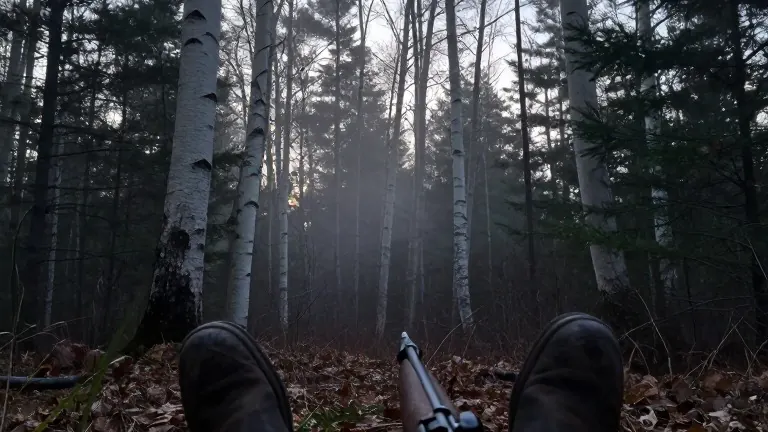
A disconnect between visible moose activity and actual harvests created a frustration loop for Maine hunters this fall. While sign for bull moose was as plentiful as it has ever been, sightings remained scarce. The core issue, according to the state's top guides, was not a lack of animals but the method hunters used to attract them. Many parties reported that bulls would answer calls only to disappear just out of range or into thick cover, leading hunters to question their strategy.
The timeline of the season revealed a pattern of missed opportunities. Early in the hunt, hunters relied on standard calling methods. As the rut progressed, the gap between sign and sightings widened. By the time of the author's recent bull hunt, the group had called bulls at least three times. In each instance, the animal stopped its approach before entering shooting range. This sequence of events prompted a review of established calling protocols by the hunting party.
Dave Kelso, a moose guide who worked with researcher Maryo Peppin, outlined specific technical corrections in his 2006 book. Kelso noted that bulls can be called long after the 24-hour heat window of cows closes. He argued that the primary error lies in the tone of the cow-in-heat call. The effective call requires a quivering tone that softly fades out. Hunters often miss this nuance, using calls that are too loud or too frequent.
Kelso distinguished between two types of bull grunts: the fight grunt and the love grunt. He advised that when answering a bull, hunters should use brush raking or call volume to sound larger than the actual bull. He considered mouth or voice calls the best option for this adjustment. Raking brush is a specific art form, requiring pauses between rakes because a bull will not rake and call simultaneously.
Tenley Skoffield, another experienced guide, emphasized the importance of wind direction and volume. She recommended keeping the wind in the hunter's face. Her advice for opening a conversation involved lightly tickling brush with a scapula or antler imitation. She warned that calling sequences often start too loudly and too frequently, which pushes moose away rather than pulling them in. For first calls in an unverified area, Skofield suggested calling lightly in all four directions and waiting 15 minutes between repetitions.
Skofield stressed that patience is a financial and practical asset. Hunters should continue calling for at least an hour, or up to two hours, to allow a moose to approach silently. The only indication of an incoming animal might be the sound of a snapped branch or antlers moving through brush. Unnatural sounds, including talking, zippers, and clanging gear, spook the animal and ruin the call.
Nathan Theriault of OMM Outfitters reinforced the need for pacing. He noted that bulls move slowly and check the wind for hours before appearing. Hunters must sit tight and avoid moving prematurely. Theriault also highlighted the advantage of mouth calling and horns over electronic devices. These manual tools allow hunters to adjust pitch, volume, and cadence in real time based on the bull's specific reactions.
The guides agree that the most underrated element of calling is silence. Hunters need a plan that includes hand signals and minimal whispering. The goal is to eliminate any sound that is not part of the intended call. This discipline ensures that the bull remains focused on the caller rather than being distracted by the hunter's gear or movements.
The next phase of the season requires hunters to apply these adjustments. The permit for a Maine moose hunt is a limited resource that demands precise execution. Hunters must practice the art of calling before the hunt begins. The success of the upcoming days depends on the ability to match the volume and cadence of the call to the specific behavior of the bull in the field.
More Business · Unethical Practices · Report a business · Got a Story?