
Sudan Hikes Bus Fares 40% as Fuel Lines Stretch to Five Hours
Drivers in Port Sudan report working fewer days and earning less, while cleaners and traders cut back operations to cope with soaring transport costs.
By Elijah Fitzgerald ·
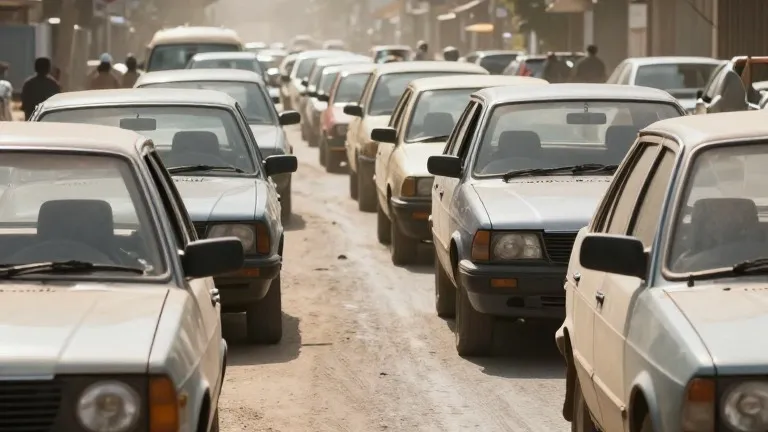
Public transport fares in Sudan jumped as high as 40% this month, a move by regulators aimed at offsetting a deepening fuel crisis. The Sudan Transport Chambers Union, which oversees public and private transport, announced the price increases to cover rising operating costs. Intercity bus tickets saw the steepest hike, while minibus fares rose by 30%. The changes take effect immediately across the country as stations and drivers adjust to the new rates.
The fare hikes follow months of scarcity at the pump. In Port Sudan, Azhari Mohamed, a 60-year-old minibus driver, now spends two days working and one day waiting in line. His vehicle consumes three gallons of petrol daily, costing roughly 105,000 Sudanese pounds. He works from 6am to 9pm, completing seven round trips between the Shagar neighborhood and the city center. Despite these long hours, he earns only about 50,000 pounds per day after fuel expenses, a sum he uses to support his wife and a daughter attending university.
Fuel availability remains erratic. A single wait for petrol can exceed five hours, and the supply often runs out before drivers reach the pump. Prices vary by region due to the shortage. In Gazira State, south of Khartoum, a gallon costs 40,000 pounds. In Port Sudan, the price is 35,000 pounds. Mohamed said the primary goal is simply to have fuel available so he can maintain his work schedule.
The rising costs have forced workers to reduce their hours. Aziza Ibrahim, a 38-year-old cleaner in Port Sudan, has cut her work week to three days. Before the war, her trip to the city center cost 700 pounds. Now, her daily round trip requires 11,000 pounds, eating nearly half of her 400,000-pound monthly salary. She often borrows money to get to work and repays the loan when she is paid, while also managing diabetes treatment for four children.
Businesses face similar strains. Ahmed al-Haj, a trader in Omdurman, reported that the cost of moving a tonne of goods has increased by 30% to 50%. Local delivery fees that once ran 5,000 pounds now cost between 10,000 and 12,000 pounds. Many traders are seeing goods pile up at their premises because transport workers are making fewer trips. Al-Haj noted that power cuts force reliance on fuel-powered generators, adding to daily expenses.
Economic analysts point to structural issues compounding the war's impact. Sidi Ohaj, an economic analyst, stated that government rules requiring importers to deposit 200kg of gold in the Central Bank have reduced the number of active suppliers. He urged the government to ease import procedures to match supply with demand. The UN Development Programme reports that average incomes in Sudan have fallen to levels last seen in the 1990s following the conflict that began in April 2023.
The crisis stems from disruptions to the Balila oil field, which previously supplied 60% of national demand for petrol and liquefied petroleum gas to the Khartoum refinery. With domestic output reduced, Sudan relies on imports at a time when global prices for gas and diesel have risen. The Ministry of Energy and Petroleum estimated war-related losses at $20 billion last year, a figure that continues to shape the current economic reality.