1 day after strike, Syrians march to demand Israeli withdrawal
Rallies in Damascus and Daraa followed the death of Moaz and the expansion of Israeli control in Quneitra.
By Adewale Fletcher ·
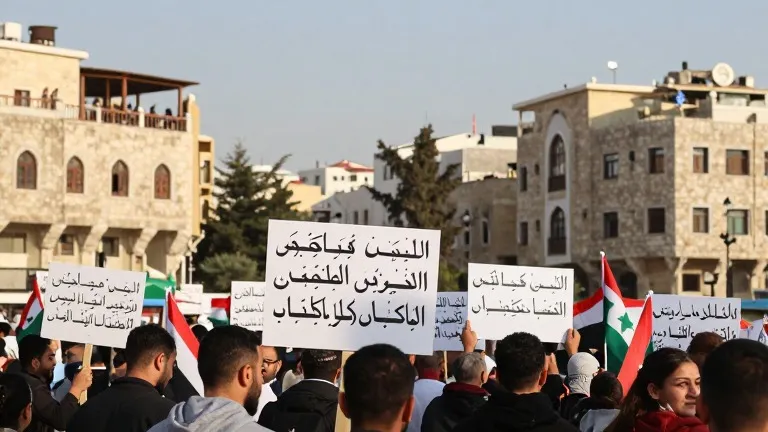
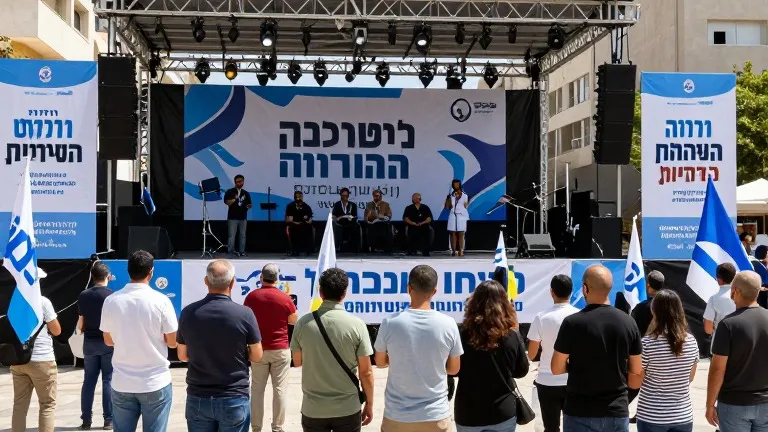
Syrians marched across the country on Friday to protest Israeli military operations in the south. The demonstrations followed an incursion earlier in the week that killed a man with a disability. State media reported crowds in the capital Damascus and the central city of Homs.
Demonstrators in Daraa, the southern province where the fatal strike occurred, numbered in the hundreds. An AFP correspondent noted that some participants waved Syrian flags. Taysir al-Hariri, a protester at the rally, told the news agency that the group aimed to "send a message to the world." He stated that Syria stands united "against Israeli incursions and against anyone who is tempted to tamper. with national security."
Marchers carried posters bearing the slogan "We are all Moaz." The name refers to the man with special needs whom Syrian officials said was killed by Israeli fire one day before the rallies. The timing of his death, just 24 hours before the main protests, centered the public response on his fate.
In Damascus, the family of a man detained by Israeli forces gathered outside a United Nations building. They demanded his release. Children in the group held up signs that read "I want my dad," adding a personal dimension to the wider political protest.
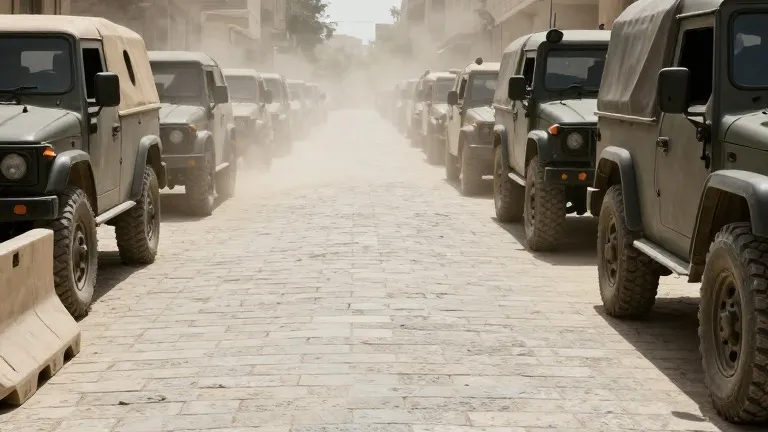
State media reported on Friday that Israeli forces advanced into part of Quneitra province. Troops blocked several roads and bulldozed olive groves in the area. They also set up checkpoints and detained local residents.
The Israeli military has conducted hundreds of strikes and frequent incursions since Syria’s new government took power in December 2024. This followed the ousting of longtime ruler Bashar al-Assad. Israel also deployed troops into the UN-patrolled buffer zone separating the two countries near the Golan Heights, a boundary in place since 1974. Israeli officials have vowed to maintain a "security zone" in southern Syria while seeking a wider demilitarized area.