Apple raises production targets for new folding smartphone
The tech giant has significantly increased manufacturing orders for its latest device after initial pre-order delays signaled intense consumer interest.
By Adewale Fletcher ·
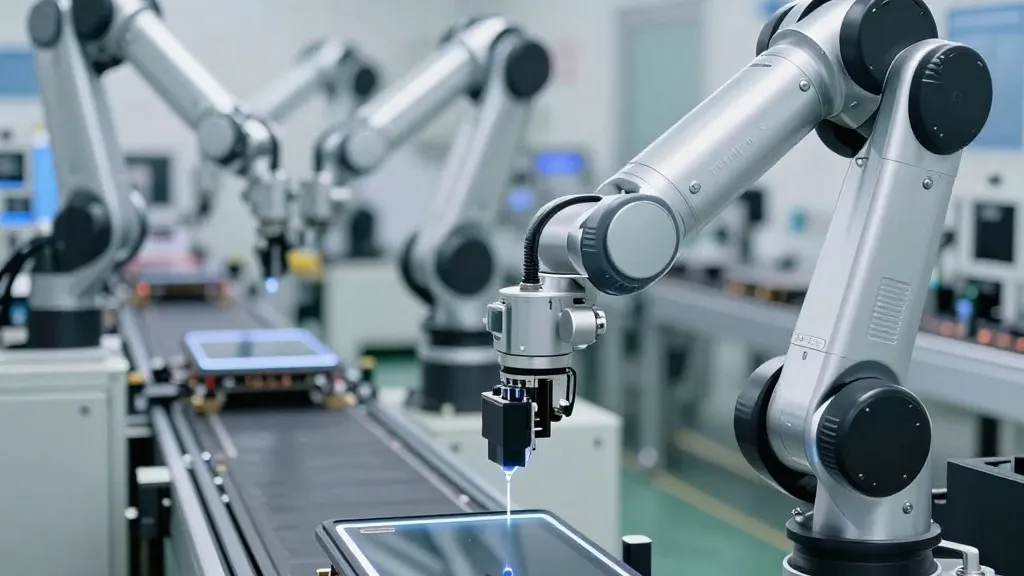
Apple has substantially increased its manufacturing orders for the iPhone Duo by more than 40 percent, a move driven by what the company characterized as extraordinary pre-order demand. This adjustment marks a significant shift in production strategy for the manufacturer's first folding smartphone, confirming that the initial delays in customer delivery were indeed caused by high consumer interest rather than logistical constraints on the supply side.
The surge in orders follows the launch of pre-sales on Friday, during which customers immediately noticed extended shipping timelines. Some buyers reported receiving estimated delivery dates that stretched into late January, a considerable delay for a flagship release. While Apple has historically used the term "extraordinary" to describe demand for various new iPhone launches, the scale of the delay in this instance suggested a particularly robust market response. To manage the influx of orders and mitigate the impact of resellers, the company implemented a policy limiting each customer to a maximum of two devices.
Recent supply chain analyses, including a report from DigiTimes, indicate that Apple is actively ramping up production to meet this sustained interest. The data suggests that the company expects demand to remain strong over the coming year. Consequently, Apple has raised its shipment targets for the first twelve months from an initial projection of 9.7 million units to a new goal of 14 million units. This increase reflects a calculated bet on the long-term viability of the folding form factor in the competitive smartphone market.
Early adopters of the device have begun to share their experiences, with the initial week of usage providing consistent feedback. A primary concern among these early users is the current state of third-party application optimization. Many developers have not yet fully adapted their software for the unique hardware configuration of the iPhone Duo, leading to some functionality issues. However, Apple maintains that the situation is improving rapidly as developers integrate support for the new platform.
Another notable aspect of the early reviews was the inclusion of Touch ID as the primary biometric security feature, a departure from the Face ID standard used in most recent iPhone models. This design choice has been a point of discussion among tech observers and users. In response to ongoing interest and potential future iterations, reports indicate that Apple is already testing prototypes of the iPhone Duo 2 that incorporate Face ID technology, signaling a potential return to the facial recognition system in subsequent generations.
The immediate aftermath of the pre-order period has seen some customers receive revised, earlier shipping dates, which aligns with the reported increase in production capacity. As the device enters the general market, the focus now shifts to how quickly the developer ecosystem will mature and whether the adjusted production targets will allow Apple to stabilize delivery times for the broader customer base.
Looking ahead, the performance of the iPhone Duo will serve as a critical indicator for Apple's strategy in the folding device sector. The company's decision to boost orders by such a significant margin underscores its confidence in the product's market reception. As more units are shipped and the software ecosystem stabilizes, the full impact of this launch on the broader smartphone industry will become clearer.
Apple continues to monitor supply chain metrics closely to ensure it can meet the revised targets without incurring excess inventory. The next few months will be crucial in determining whether the initial enthusiasm for the iPhone Duo translates into sustained sales or if the demand tapers off as the novelty of the folding form factor diminishes.