Exit Polls Face Structural Shift as Early Voting Grows
Researchers at the University of Maryland are testing new methods to track voter intent after the traditional Election Day model lost precision.
By Jonathan Hoffmann ·
Election night coverage will look different this November. The standard exit poll, which asked voters their choices as they left polling places on Election Day, no longer captures a representative slice of the electorate. This change forces broadcasters and news organizations to adjust their reporting models. The shift affects how quickly and accurately viewers see results.
The decline of the traditional exit poll stems from the expansion of early voting. More Americans are casting ballots before Election Day. These voters do not stand in line at a polling place on the 3rd of November. Consequently, they are invisible to the surveyors who have relied on that single day of data for decades. The sample has shrunk and skewed.
Researchers at the University of Maryland are leading the effort to fix this gap. They are testing a new approach that combines data from early voting centers with traditional Election Day polls. The method aims to create a unified picture of voter behavior. It seeks to restore the predictive power that the old format lost.
The new system tracks the timing of the vote. It distinguishes between those who voted weeks ago and those voting on the final day. This allows analysts to see how different groups behave across the entire voting window. The data can reveal if certain demographics are shifting their voting habits over time.
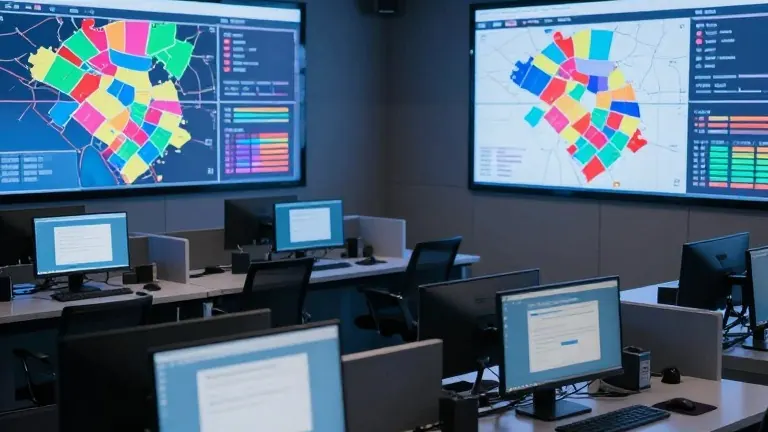
Broadcasters are adopting these new metrics for their election night maps. The networks will display updated exit poll numbers that reflect this expanded timeframe. Viewers will see a more complex breakdown of voter intent. The visual presentation on television screens will include new layers of information.
The transition is not without technical hurdles. Combining datasets from different periods requires careful statistical weighting. Analysts must account for the fact that early voters may have different priorities than those voting last. The margin of error for these new composite polls is still being refined by statistical teams.
Political analysts note that the accuracy of these new polls depends on the quality of the underlying data. If early voting centers have inconsistent record-keeping, the final product suffers. The reliability of the numbers hinges on consistent collection methods across all states. This is a logistical challenge for the firms that conduct the surveys.
The public will see the results on major network broadcasts on November 3rd. The exit poll segment will run longer than in previous cycles. It will provide a granular view of how voters made their decisions. The data will help explain the final margin of victory in key states.
This evolution in polling methodology is a direct response to changing voter habits. The industry is adapting its tools to match reality. The goal is to provide a clear and accurate narrative on election night. The numbers will tell the story of how America voted this year.
More Business · Unethical Practices · Report a business · Got a Story?