Grocery Freezers Fail Again in Europe as Hackers Exploit Cold Chain
A second wave of cyberattacks has spoiled food in European supermarkets, prompting experts to warn that similar flaws in smart home devices could leave households exposed.
By Adewale Fletcher ·
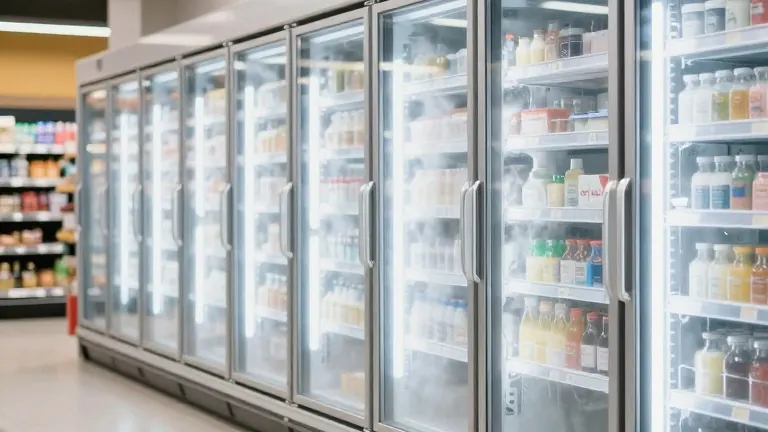
European grocery stores suffered food losses on Monday after hackers disrupted refrigeration systems for a second time in under a month. The attack forced temperatures in freezers and coolers to rise, spoiling inventory and creating financial damage for retailers. This incident follows a similar breach in October that affected hundreds of locations in France. During that earlier attack, some units reached 122 degrees Fahrenheit, destroying large quantities of stock.
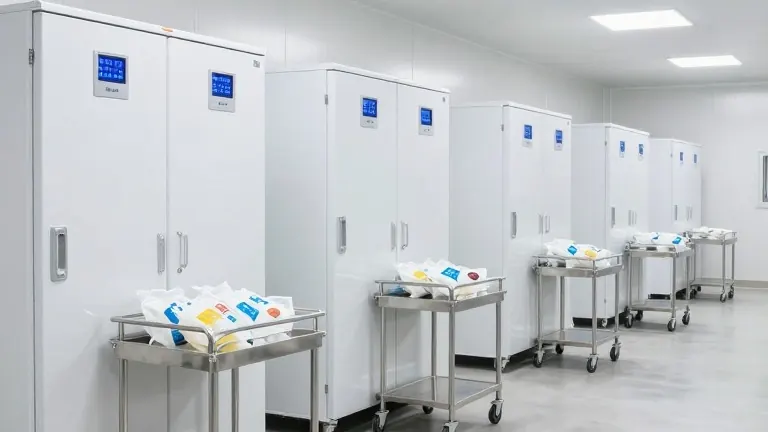
The timeline of these disruptions shows a rapid escalation. In October, French stores faced the initial wave of temperature spikes. By Wednesday of this week, the threat expanded beyond food storage. France's national health service reported that hackers had compromised the emergency blood supply network. Backup systems kept cold storage facilities running, so no blood supplies were lost, but the intrusion marked a clear expansion into critical medical infrastructure.
Cybersecurity experts now argue that the vulnerabilities exploited in supermarkets are not unique to large commercial systems. They point to the growing number of internet-connected appliances in private homes. Devices such as heating systems, smart televisions, security cameras, door locks, and ovens are connected to the internet by the millions. These devices operate like small computers and share the same types of weaknesses found in commercial refrigeration units.
Dr. Manny Niri, a cybersecurity lecturer at Oxford Brookes University, described these household items as computers that can have exploitable flaws. He noted that the problems are often simple, citing default passwords, reused credentials, and outdated software. Professor George Loukas of the University of Greenwich added that mass-produced devices can create a single point of failure. If one popular model has a flaw, every home with that device is potentially exposed.
The damage from a compromised home device extends beyond remote switching. If an application can turn off heating or unlock a door, a hacker with access can perform the same actions. Unauthorized access to cameras or microphones can reveal when residents are home and what they are doing. A single compromised device can also serve as an entry point to other systems on the same network, exposing personal and financial data. Physical consequences are possible, including altered fridge temperatures or opened smart locks.
Historical examples show that these warnings are not theoretical. In 2025, U.S. cybersecurity officials identified a critical vulnerability in certain WiFi thermostats that granted hackers full administrative control. The Federal Trade Commission has documented cases where Ring security cameras were used to spy on homeowners. In 2016, malware infected hundreds of thousands of connected devices, turning them into a network capable of launching large-scale attacks.
Experts say artificial intelligence may lower the barrier for these types of attacks. Loukas stated that AI allows one person to execute an attack that previously required a skilled team working for weeks. Dr. Abdullahi Arabo of the University of the West of England warned that a single compromised device could expose other systems within a household network. While individual homes are less likely to be deliberate targets, the risk of collateral damage is rising.
Security specialists advise a focus on awareness rather than fear. Niri recommended that consumers ask whether a device truly needs an internet connection and what the impact would be if it were hacked. He suggested changing default passwords, enabling two-factor authentication, and updating software regularly. Maintaining manual control over essential systems remains a key recommendation for reducing exposure.
More Business · World news · Unethical Practices · Report a business · Got a Story?