Former Mexican Prosecutor Faces Treason Trial Over Dead U.S. Agents
César Jáuregui may face up to four decades in prison for approving a joint drug raid that ended in tragedy.
By Adewale Fletcher ·
For the average citizen in Mexico, this case is less about legal technicalities and more about who holds the power to act in the country's name. A former top prosecutor in Chihuahua is now facing a rare treason charge after a deadly April operation. The core issue is whether a state official had the right to invite foreign agents into a field mission without telling the federal government. If convicted, he could spend the rest of his life behind bars, a harsh penalty for what some lawyers call an administrative failure rather than a war crime.
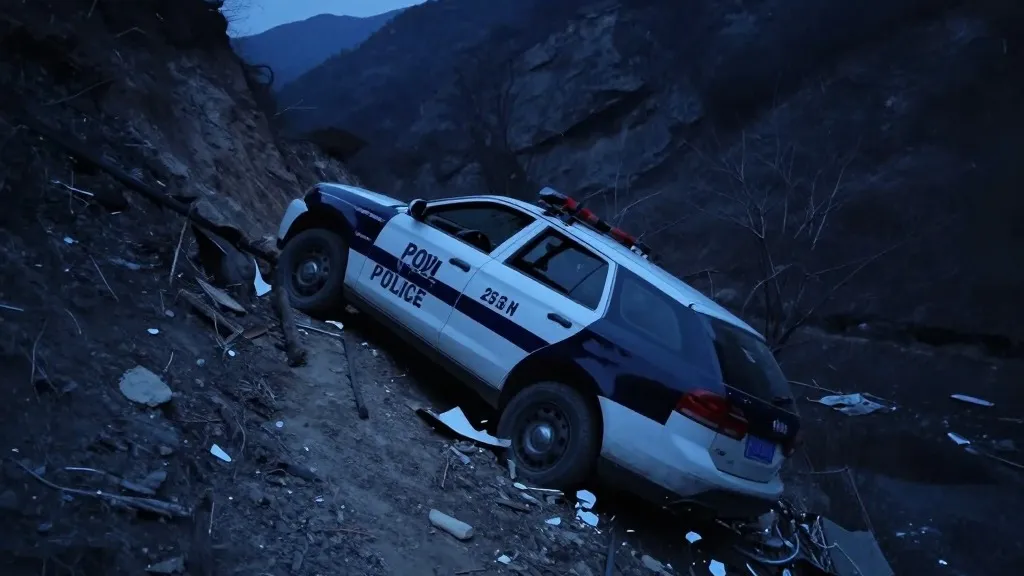
The incident began on April 19 when a convoy returned from dismantling a major drug laboratory in the Morelos municipality. During the journey back, one vehicle veered off the road and crashed into a ravine. Four people died: two Mexican state officials and two Americans. The Mexican victims were Pedro Román Oseguera Cervantes, the lead commander of the state investigation agency, and officer Manuel Genaro Méndez Montes. At the time, Jáuregui described the Americans as instructor officers helping with binational anti-drug cooperation. He noted that the lab was one of the largest chemical drug production sites in the country. No suspects were caught because they fled the scene.
César Jáuregui, the former attorney general of Chihuahua, resigned shortly after the crash to allow for a clean investigation. On October 17, he was arrested on state charges of illegally exercising public office. A judge recently ruled that these state charges can proceed to trial. Federal prosecutors have since added a treason count, arguing that Jáuregui endangered national security by permitting U.S. agents to participate in a field operation, a decision reserved for the federal level. A federal judge is expected to rule on Saturday whether this indictment will stick.
The stakes are high, though legal experts are skeptical. Héctor Villasana, Jáuregui's defense attorney, said prosecutors indicated they want an exemplary punishment. This comment was made in a closed hearing and drew comparisons to the recent removal of Venezuelan President Nicolás Maduro. Samuel González, a former chief prosecutor, argues that while Jáuregui may have failed to inform federal authorities or control the weapons of foreign agents, that does not meet the definition of treason, which is typically a wartime crime.
The case has also highlighted confusion over the Americans' status. U.S. Ambassador Ronald Johnson initially called them embassy personnel, but other sources identified them as CIA agents. The CIA has not commented. Mexico's security ministry stated that one agent entered as a visitor and the other on a diplomatic passport, and neither had formal clearance for operational work. Two other U.S. agents in a separate vehicle were expelled, and President Claudia Sheinbaum confirmed they had no permission to operate in Mexico.
Carlos Pérez Ricart of CIDE University suggests the case is politically charged ahead of the 2027 midterms. He warns that even if the charges are dismissed, the episode sends a negative signal to Washington. The situation reflects a broader tension. Former President Andrés Manuel López Obrador limited U.S. agency activities, and Sheinbaum has since amended the constitution to require explicit authorization for field operations. However, history shows that such actions often occur without federal knowledge, leading to questions about how to prevent future abuses.