Trump Revives 50-Yard Warship Plan; Rubio Pitches CIA Deal
The Secretary of State urged Cubans to seek a secret partnership with the US intelligence agency as the President outlined a naval stopover during midterm rallies.
By Jonathan Hoffmann ·
Secretary of State Marco Rubio called for a private alliance between the United States and Cuban reformers on Saturday, framing the moment as a rare opportunity for political transformation. His post appeared on social media shortly after President Donald Trump discussed a new naval strategy during a campaign stop in south Florida.
Rubio wrote to an audience he described as those seeking positive change. He cited corruption and unfulfilled promises as reasons for dissatisfaction. He recommended that citizens pursue their goals through a discreet partnership with the Central Intelligence Agency. The text contains a likely typo, using the word discrete instead of discreet. Rubio, whose parents emigrated from Cuba before the revolution, has maintained a high profile on the issue.
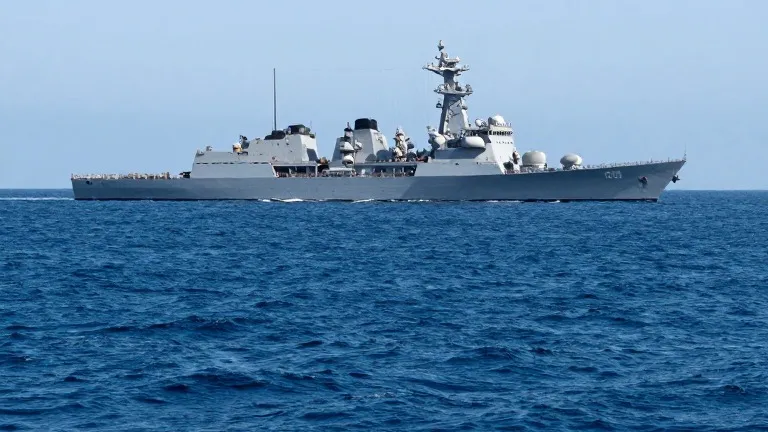
President Trump outlined the military component of the plan at a rally on Friday. He said US warships would stop over in Cuban waters on their way back from the Iran conflict. One vessel would halt approximately 50 yards from the coast. He described a sequence where sailors would raise their hands and he would then send Rubio to finalize an agreement.
The President had previously mentioned this idea earlier in the year but had stayed silent on it for several months. He brought it up in response to a question from the crowd. The rally took place in the days leading up to midterm elections. Voters in that region have expressed concern about how the war in Iran has impacted the cost of gasoline and groceries.
Havana reacted with criticism to the announcement. Deputy Foreign Minister Carlos Fernandez de Cossio posted on X that the US was publicly recruiting for the CIA. He compared the agency's outreach to a tube of toothpaste being sold in desperation. This follows a period of uneven diplomatic efforts between the two nations.
Trump and Rubio have taken an aggressive stance on Cuba in recent months. The President suggested the island would be the next target for intervention after the war in Iran ends. In May, the two officials raised the possibility of military action. That threat gained weight after the administration filed criminal charges against former leader Raul Castro. Rubio stated that the US wants a peaceful resolution but doubts the current government will agree to one.
Negotiations have stalled despite recent meetings between senior US aides and Cuban officials. The US side expressed dissatisfaction with those talks, leading to additional sanctions. Trump told reporters last month that he expected a deal to be reached without military force. However, the two governments clashed at the United Nations earlier this week as Washington worked to block a vote condemning the US embargo. Cuba has faced a severe economic crisis since 2020, with its GDP shrinking and millions of residents facing power cuts and food shortages.
Rubio had not spoken extensively about the island for several weeks prior to the post. In an interview with Fox News on September 29, he stated that Cuba had already fallen. He described the economy as non-functional and the revolution as dead. He said the US would not allow the island to serve as a base for operations against American interests. He did not reference a CIA operation in that interview.