2026 Election Spending Hits Record Highs Amid Partisan Funding Splits
Republican committees outspent Democrats overall, but Democratic candidates raised more, with over $850 million focused on deep red districts.
By Jonathan Hoffmann ·
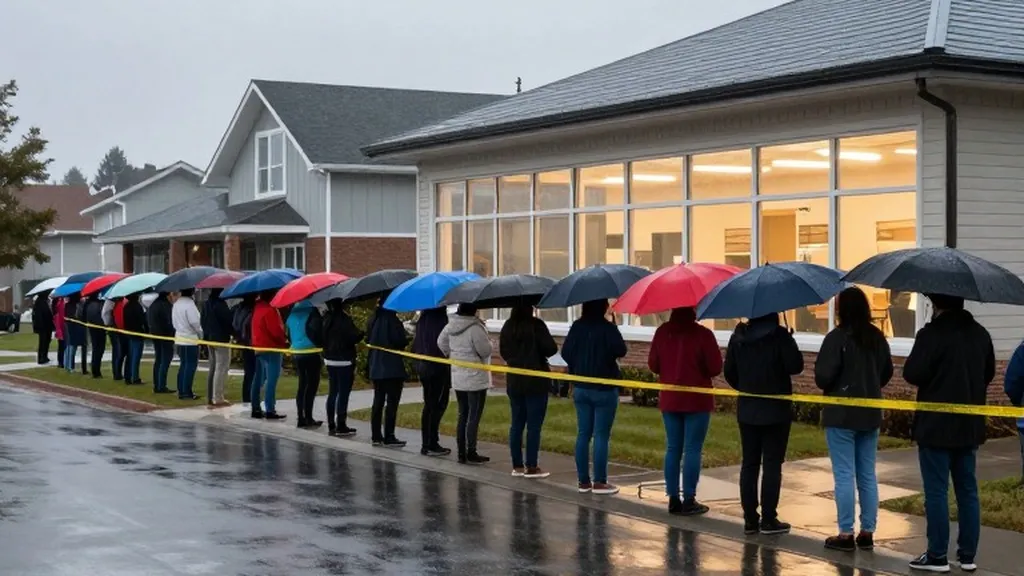
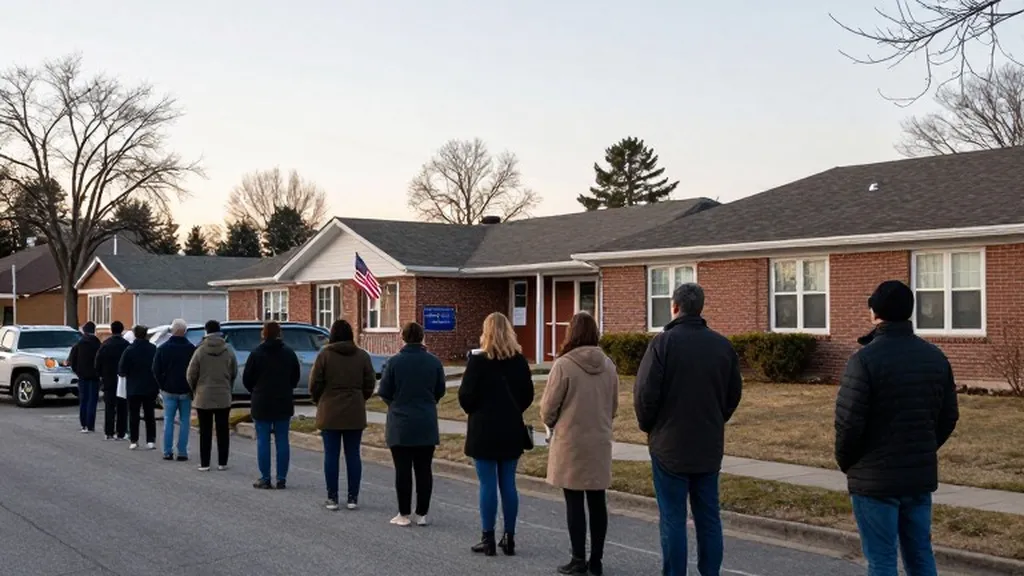
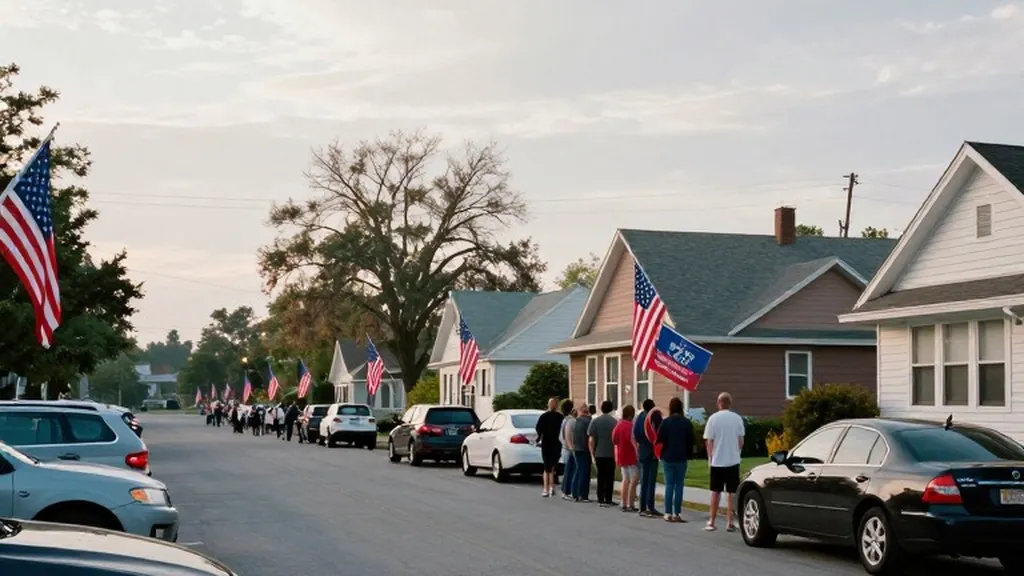
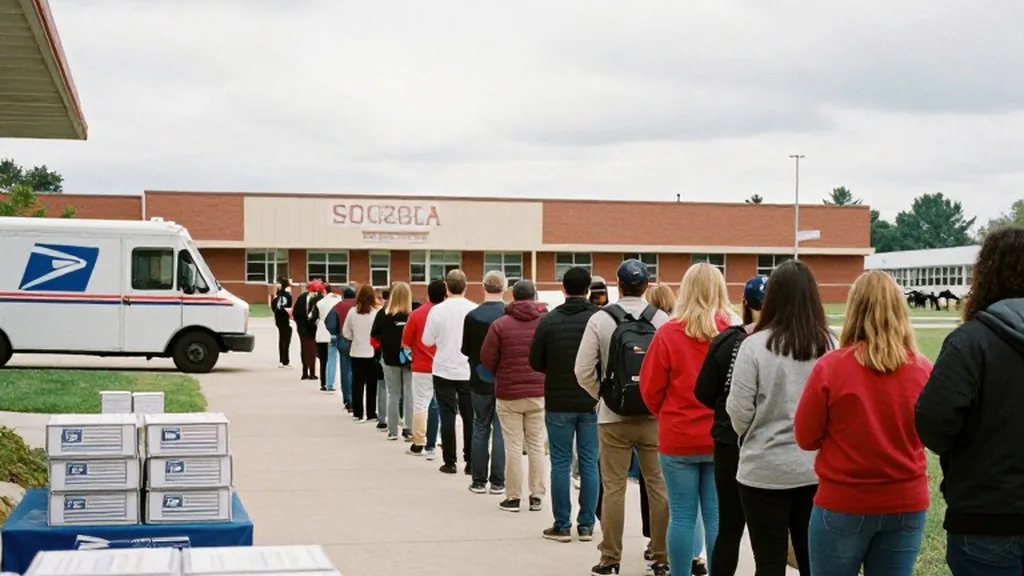
Voters heading to polling places on Tuesday are entering what the Associated Press describes as the most expensive midterm election in history. The financial scale of this contest has drawn significant attention from analysts and campaign strategists alike. As lines form in states from Florida to Ohio, the underlying flow of money has shaped the landscape of this race. The Associated Press notes that the 2026 elections will likely be the most costly in the nation's history. This spending surge reflects the high stakes involved in determining who controls Congress for the final two years of President Donald Trump's second term. The flow of funds has been a defining feature of the campaign season leading up to today.
According to an analysis of AdImpact data, Republican committees outraised and outspent their Democratic counterparts at the committee level. This advantage was bolstered by contributions from Trump-affiliated groups and significant funding from Elon Musk. These sources provided a substantial financial boost to the Republican infrastructure. In contrast, at the candidate level, Democrats outraised their Republican opponents. This divergence highlights a complex funding dynamic where party committees and individual candidates are operating with different financial strengths. The disparity suggests that while Republicans controlled more overall resources, Democratic candidates managed to secure more direct funding for their specific races.
A striking detail from the Associated Press analysis is the concentration of Republican spending. Eighty-eight point one percent of Republican general election television ad spending went to states and districts that Trump won in 2024. This strategic focus indicates a strong effort to solidify support in areas that already favored the president. More than $850 million of that spending was directed at districts where Trump won by ten points or more. This massive investment in safe seats contrasts with the typical strategy of focusing heavily on battlegrounds. It suggests a desire to ensure high turnout and enthusiasm in regions where the Republican base is most reliable.
Democratic campaigns, meanwhile, have focused their resources differently. The party has leaned into a narrative of economic anxiety to drive their fundraising efforts. Rep. Suzan DelBene, the chair of the Democratic Congressional Campaign Committee, stated that the American people are angry and want change. This sentiment aligns with polling data showing that about seven in ten adults say the country is heading in the wrong direction. Many voters blame the president for high prices, a sentiment that has fueled Democratic fundraising. The party's candidate-level financial edge may be a response to this groundswell of dissatisfaction among voters.
On the Republican side, RNC Chairman Joe Gruters emphasized the importance of voter turnout. He stated that everything depends on turning out voters, asserting that if they do so, they will win. This focus on turnout is a common theme in midterm elections, where the president's party often faces a headwind. The Republican strategy appears to rely on mobilizing their base in the districts where they have spent heavily. The financial advantage at the committee level may help in these efforts, providing resources for ground games and advertising in key areas.
Republicans have been bracing for a potential loss of the House while fighting to hold the Senate. The financial data suggests a confidence in their ability to compete effectively. However, the high cost of the election also reflects the uncertainty surrounding the results. One or two seats could tip either chamber, making every dollar spent potentially decisive. The intense competition for funds has led to a crowded field of advertisements and messages from both parties. This saturation of the media environment is a hallmark of modern high-stakes elections.
Voters are navigating a complex landscape of economic issues and political rhetoric. The Associated Press describes the election as a referendum on the president's second term. Many voters are struggling with high prices and are angry over the unpopular war with Iran. These issues have been central to the messaging from both parties. The financial resources of the campaigns have been deployed to amplify these messages and reach voters in key districts. The outcome of these battles will be determined by how effectively each party converts their spending into votes.
As polls close across the country, the financial aspects of the election will continue to be analyzed. The record-breaking spending levels set a new benchmark for future contests. The interplay between committee-level and candidate-level funding will be a subject of post-election scrutiny. For now, the focus is on the ballots being cast and the decisions being made by voters. The money has been spent, the ads have been aired, and the stage is set for the next phase of this political cycle.
More than 57 million people had already voted as of Monday. This high level of early participation suggests a strong interest in the election. The financial investment by both parties appears to have resonated with voters, driving them to the polls. The final tallies will reveal whether the massive spending translated into the desired outcomes. Until then, the focus remains on the democratic process and the will of the electorate.
The election administration has also been a point of interest, with legal battles over voting procedures. However, the financial dimension remains a key factor in understanding the dynamics of this contest. The Associated Press and other outlets have highlighted the unprecedented nature of the spending. As the results come in, the relationship between money and power in American politics will be further examined. The 2026 election will serve as a case study in the economics of modern campaigning.