Midterm math: Both parties strategize to break the historical seat-loss pattern
With 435 House seats and 35 Senate seats on the line, Republicans and Democrats deploy distinct tactics to defy the trend of losing ground in midterms.
By Jonathan Hoffmann ·
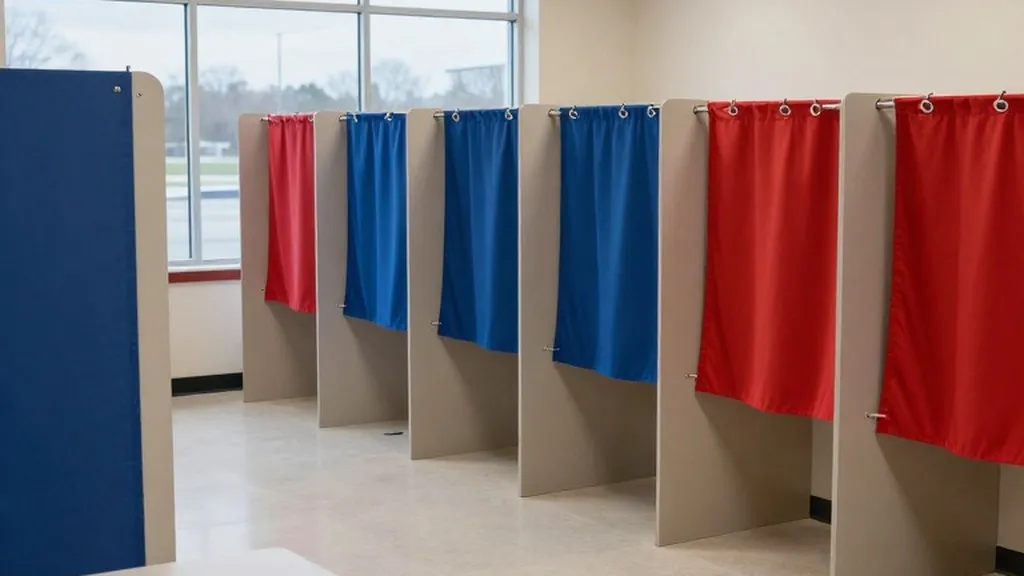
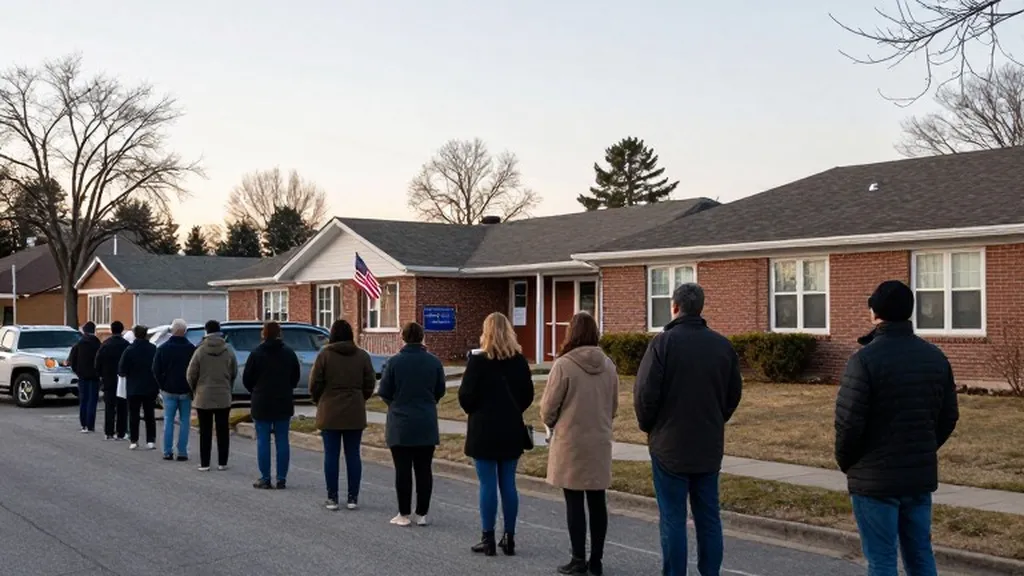
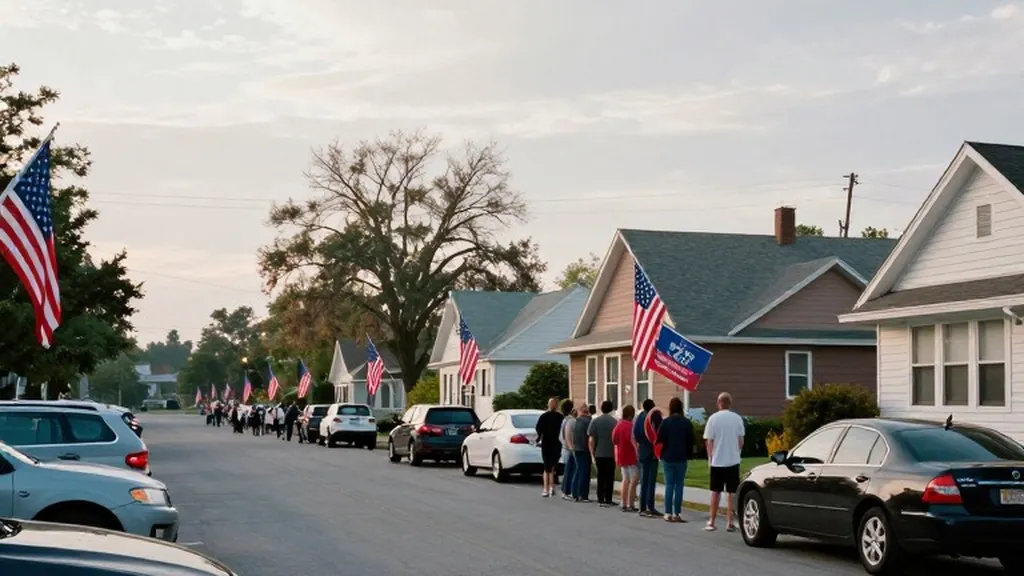
Voters across the United States are casting ballots on Tuesday, November 3, 2026, to determine the balance of power in Congress for the final two years of President Donald Trump's second term. This election cycle defines a critical moment in American politics where the traditional midterm dynamic is being tested. Historically, the party holding the presidency almost always loses seats in these off-year contests. Both political parties have entered this cycle with specific strategies aimed at reversing that long-standing pattern.
The stakes for the House of Representatives are particularly high. All 435 seats are up for grabs, with Republicans currently holding 218 seats and Democrats holding 214. Democrats need a net gain of three districts to secure a majority, while Republicans can afford to lose no more than two seats. Sixty incumbents have chosen not to run again, creating open seats that often swing toward the opposition. Republicans are bracing for potential losses in the House, while Democrats remain cautiously optimistic about their chances.
In the Senate, the math is equally tight. Thirty-five seats are contested, including 33 regular elections and two special elections for the remaining terms of Marco Rubio in Florida and JD Vance in Ohio. Republicans hold 53 seats, while Democrats hold 45, with two independents caucusing with the Democrats. Democrats require a net gain of four seats to take control of the chamber, whereas Republicans can only lose two. Eleven senators are not seeking reelection, adding to the uncertainty in races across states from Alaska to Texas.
Republicans have relied on redistricting as a primary tool to protect their majority. New congressional maps have been implemented in six states following mid-decade redistricting: California, Florida, Missouri, North Carolina, Tennessee, and Texas, with Ohio also using a new map. Republican committees have outraised and outspent their Democratic counterparts, aided by Trump-affiliated groups and Elon Musk. However, analysts note that new districts in states like Florida may not vote as the maps suggest, complicating the strategy.
Democrats, meanwhile, are focusing on national issues to energize their base. The Associated Press describes the election as a referendum on the administration's performance, with voters expressing frustration over high prices and an unpopular war with Iran. Polling from AP-NORC indicates that only 35 percent of U.S. Adults approve of Trump's job performance, with about seven in 10 saying the country is heading in the wrong direction. Democratic leadership, including House Leader Hakeem Jeffries, has emphasized a 100-day agenda focused on the cost of living and oversight if their party gains control of either chamber.
Governor races offer another avenue for Democrats to shift the balance of power. Thirty-six governorships are on the ballot, with Republicans currently holding 26 and Democrats 24. Democrats would need a net gain of two governorships to achieve a nationwide majority, a feat they have not accomplished since 2010. In key states like Georgia and Nevada, the races are closely watched. In Georgia, Republican Rick Jackson faces Democratic former Atlanta Mayor Keisha Lance Bottoms, while in Nevada, Republican Governor Joe Lombardo competes against Democratic Attorney General Aaron Ford.
The role of money in this election is unprecedented, with the 2026 contests likely to be the most expensive in history. AP analysis of AdImpact data shows that 88.1 percent of Republican general election TV ad spending went to states and districts Trump won in 2024. In contrast, at the candidate level, Democrats have outraised their opponents. This financial disparity highlights different strategic approaches, with Republicans focusing on broad, high-spend campaigns in safe Republican territory, while Democrats concentrate their resources on competitive districts and states.
Administrative issues are also shaping the election narrative. A federal judge temporarily barred the Trump administration from implementing a plan to prevent noncitizen voting, a move critics argue risks disenfranchising eligible voters. The administration has also sued in Alaska and California regarding the certification of results and ballot handling. These legal battles have added a layer of tension to the election day, with Democrats fearing interference and Republicans arguing for stricter standards to ensure integrity.
Voter turnout remains the decisive factor, according to both parties. RNC Chairman Joe Gruters stated that everything depends on turnout, claiming that if they turn out their voters, they win. DCCC Chair Rep. Suzan DelBene countered that the American people are angry and want change. Early voting numbers have surpassed those from four years ago in many closely watched states, with more than 57 million people having already cast their ballots as of Monday.
As polls close across the country, the focus shifts to the battleground districts and states that will determine the final tally. In the Senate, races in Maine, Iowa, and Kansas are considered crucial, with ratings varying from toss-up to lean toward one party. The outcome will not only set the tone for the remaining two years of the Trump administration but also influence the landscape for the 2028 presidential race, potentially boosting or complicating the paths of key candidates from both parties.
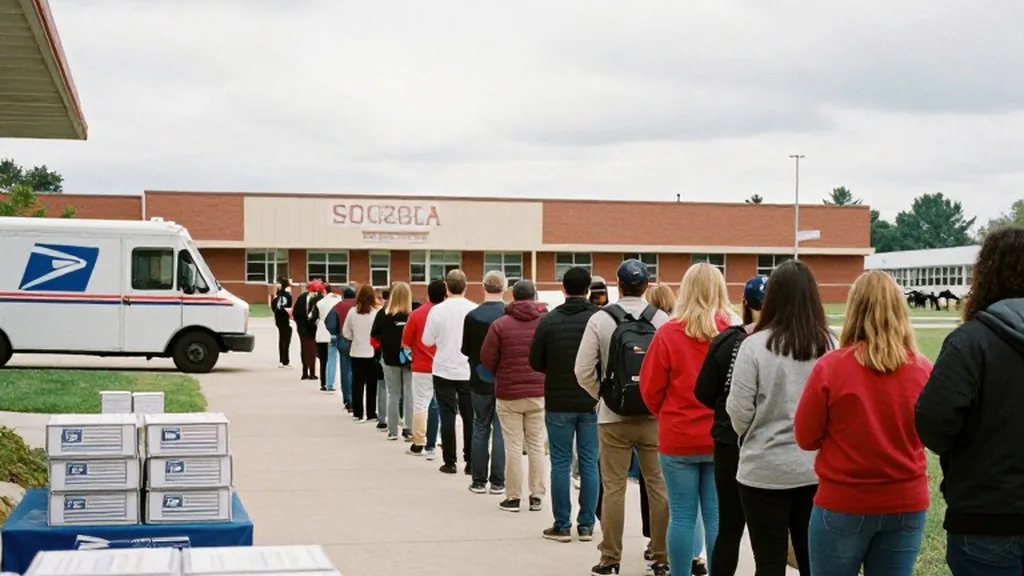
The election also carries implications for the broader economy. Wall Street is watching for more than just control of Congress, as results could impact investor concerns about AI spending and debt ceiling negotiations. The U.S. Postal Service has added hours and staff to ensure mail ballots are counted on time, reflecting the logistical challenges of a high-stakes midterm. As voters head to the polls, the nation awaits the results that will define the next phase of American governance.