Caffeine Products: FDA Reports Link 11-Fold Increase in Cardiac Arrest Cases
A review of over 28,000 adverse event reports identifies a strong association between high caffeine intake and heart issues in adults aged 18 to 34.
By Elijah Fitzgerald ·
Researchers analyzing data from the U.S. Food and Drug Administration found that cardiac arrest reports were approximately 11 times more frequent for products containing caffeine and stimulants compared to those without such ingredients. The study examined 28,345 adverse event reports submitted to the FDA’s safety database between 2017 and 2025.
Within that dataset, 854 reports specifically mentioned energy drinks or dietary supplements containing caffeine or other stimulants. Researchers compared these against 27,491 reports for products lacking these ingredients. The analysis revealed that reports involving caffeine-containing items were about 4.5 times more likely to cite heart attacks and 4 times more likely to reference ventricular arrhythmias or palpitations.
The association was particularly pronounced among adults between the ages of 18 and 34. Approximately 45% of the reports linking caffeine products to cardiovascular events involved individuals in this age group. Similar patterns were observed in both male and female patients, a demographic generally not considered at high risk for such cardiovascular incidents.
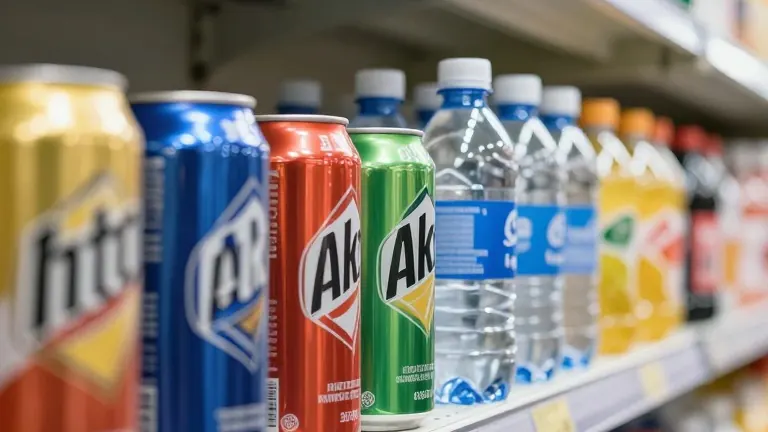
Sai Samayamanthula of the University of Virginia noted that these items are sold alongside soft drinks and bottled water, leading many consumers to assume they carry no real risk. He stated that while occasional use in healthy people likely poses a low risk, habitual consumers may quickly exceed the recommended daily caffeine limit. "It is important that they know these may pose a risk of cardiovascular damage," Samayamanthula said.
The researchers emphasized that the study establishes an association rather than causality. They called for further work to better understand the relationship between caffeine products and heart conditions. The findings will be presented at the American Heart Association meeting in Chicago starting November 6, 2026.
Until the results are published in a peer-reviewed scientific journal, the findings are considered preliminary. The American Heart Association noted in a statement that available evidence suggests high caffeine doses are associated with cardiovascular damage. The organization urged health professionals to ask younger patients experiencing palpitations, chest pain, or fainting about their recent or habitual consumption of these products.
The data covers the period from 2017 through 2025. The study team concluded that the findings support the need for more systematic safety oversight of caffeine and stimulant products. They also recommended that clinicians actively screen young patients with cardiac symptoms for recent use of these beverages and supplements.