Kyiv Shelter Crisis: 140 Deaths in 2026
Subway stations now serve as nightly dormitories for thousands as Russian strikes on the capital outpace the casualty count of the previous year.
By Elijah Fitzgerald ·
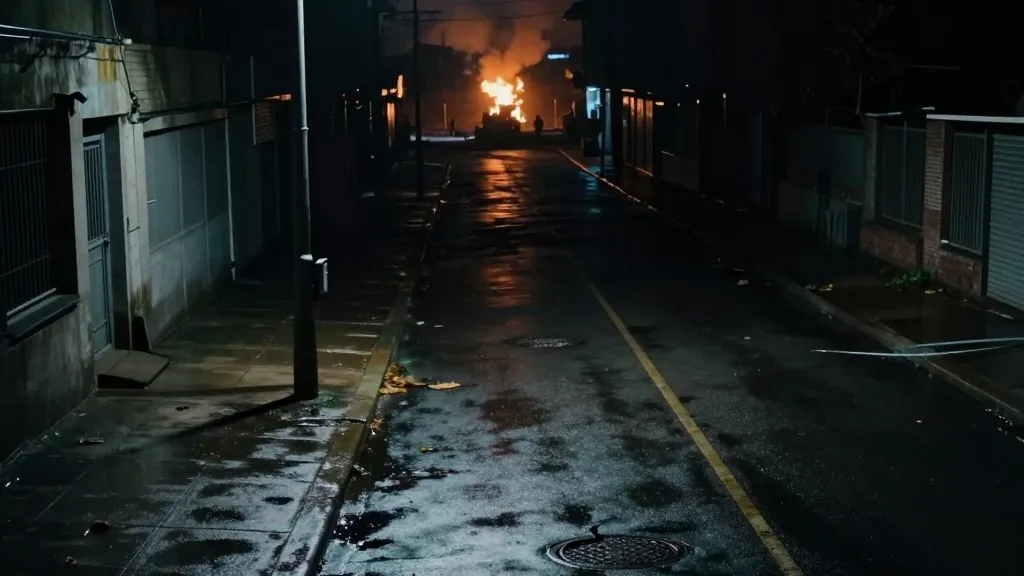
Kyiv is functioning as a front-line city following a sharp increase in Russian military strikes. The capital, home to four million people, now experiences daily life conditions similar to those on the active battlefield. Russian forces have expanded their targeting of the city, ending the relative calm that persisted in parts of the capital for months. This shift has forced residents to adapt to a persistent threat environment that defines their daily routines.
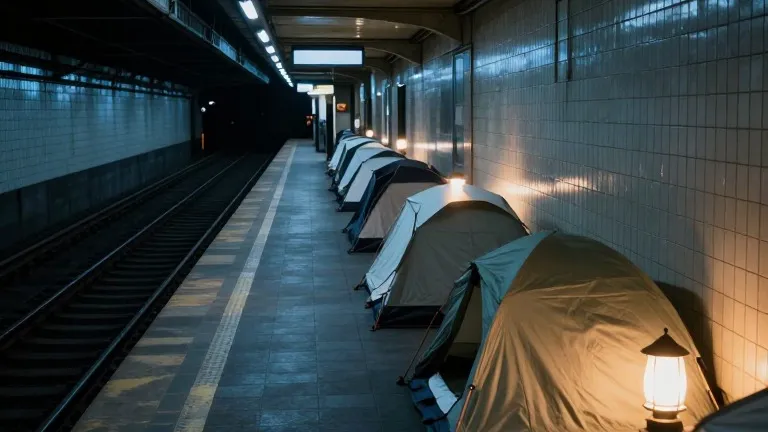
The city lacks sufficient purpose-built shelters for its population. Consequently, subway stations have become informal overnight housing for many residents. From approximately 10 p.m. each night, individuals lay out mattresses and erect small tents within the stations. Children sleep beside adults, while pets rest against the cold walls alongside strangers. Halyna, a resident of the Lukyanivka district, takes her five-year-old son, Roman, to the nearest station most evenings, even when sirens are silent. She described the situation to Deutsche Welle, stating, "We're alive. We've been lucky once again."
Recent attacks have claimed the lives of school-aged children. In September, a Russian drone struck an apartment building in the central Pechersk district, killing 14-year-old Daniel Umanskyj while he did homework. Vlad, a neighbor who was in the hallway with his daughter at the time, noted that arriving late that day saved their lives. He described the attackers as "sick monsters" who do not care who they kill. Flowers now mark the damaged building in Daniel's memory. Early in October, a drone also hit a school building in southwestern Kyiv, though the pupils and teachers were already in shelters.
Principal Valentyna Chorna reported that her school continues in-person instruction for grades one through nine. The facility maintains this schedule because its large shelter can hold more than 500 students. Attendance depends on shelter availability and the duration of air raid sirens. If an alarm sounds in the morning while children are still at home, they may miss school. A colleague at the Deutsche Welle Kyiv bureau, whose daughter attends school near the Antonov aircraft factory, described the strain on parents who must work while children stay home. She noted that the walk to school carries risk because alerts can begin at any moment. Her own building was struck by a drone in September, though her apartment remained undamaged and her daughter was at school.
Kyiv's military administration reported that 140 people were killed in the capital during the first eight months of 2026. This figure exceeds the 172 deaths recorded for all of 2025. If the current pace continues, 2026 will become the deadliest year for Kyiv since the full-scale invasion began in 2022. Strikes on warehouses have caused supermarket shortages not seen since the early months of the war. Emergency power outages returned in late September, and a recent attack paralyzed the subway system. The city faces uncertainty regarding its ability to provide reliable heat, electricity, and water this winter.
The Kyiv International Institute of Sociology reported that 72% of residents surveyed in September said they were ready to endure the war as long as necessary. Authorities are adjusting rules to preserve normal routines. The curfew now runs from 1 a.m. to 5 a.m. Some facilities may operate during yellow alerts. During red alerts, which signal ballistic or cruise missiles or large combined attacks, people must take shelter immediately.
The city continues to operate under these modified protocols as the winter season approaches. Residents rely on the subway network for both transit and safety. The military administration continues to monitor strike patterns and infrastructure damage. The population maintains its daily activities while adapting to the increased frequency of air raid warnings. The balance between work, school, and shelter remains a central part of life in the capital.