Tesla profits dip again as heavy spending on AI eats into cash flow
The electric vehicle maker reported flat sales and lower earnings this quarter, citing massive investments in future technology and a shortage of batteries.
By Jonathan Hoffmann ·
For investors tracking the electric vehicle sector, the latest report from Tesla signals a continued squeeze on earnings. While the company managed to stabilize its revenue, the bottom line shrank as management poured capital into artificial intelligence and robotics. This means that while the stock may have seen some relief from improving margins, the actual cash generated by the business is under pressure from aggressive expansion plans.
Tesla reported third-quarter revenue of $28.05 billion, which is essentially flat compared to the same period last year. This figure aligns closely with Wall Street estimates, which had projected $28.06 billion. However, non-GAAP earnings per share came in at $0.48, beating the consensus expectation of $0.45 but still down 4% from a year ago. The improvement over the second quarter is notable, as margins have rebounded from their low point, yet the overall trend of declining operating income persists.
The primary driver behind the lower profits is a significant increase in operating expenses. These costs rose 39% year-over-year to $4.78 billion. Research and development spending alone jumped 69% to $2.76 billion as the company invests in what it terms Super Intelligence, the Optimus robot, and the Cybercab. Additionally, stock-based compensation reached $1.17 billion, up from $663 million in the prior year, largely due to the 2025 CEO pay package.
Capital spending also accelerated, reaching $4.73 billion for the quarter, more than double the amount spent a year ago. This heavy investment has reduced free cash flow to $1.53 billion, down from $3.99 billion in the same period last year. Despite this, Tesla ended the quarter with $45.4 billion in cash and investments. The company’s capital expenditure for the first nine months of 2026 stands at $13.01 billion, which is only about half of the over $25 billion it originally guided for the full year.
On the production side, Tesla delivered 486,532 vehicles, a 2.1% decline from last year but ahead of analyst expectations. The company attributes the flat sales volume to battery availability rather than a lack of customer demand. Management stated that battery supply remained the limiting factor for increasing auto volumes. Consequently, Tesla ended the quarter with its largest backlog for passenger vehicles in four years. However, average selling prices continued to fall, a trend that typically signals demand issues rather than supply constraints.
The automotive gross margin excluding regulatory credits improved to 18.1%, up from 16.3% in the previous quarter. This recovery is credited to a better mix of products and regions, along with increased revenue from Full Self-Driving subscriptions. Regulatory credit revenue fell sharply to $113 million, down 73% from a year ago, as the market for these credits has largely dried up. The energy storage segment saw revenue drop 16% to $2.88 billion, partly due to tariff-related refunds, though its gross margin improved to 33%.
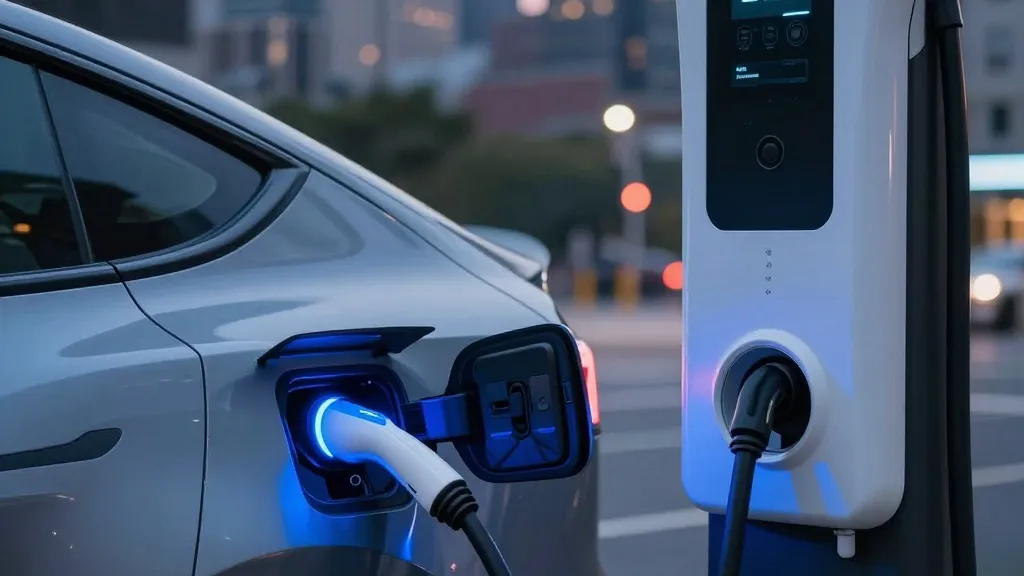
Services and other revenue grew 33% to $4.61 billion, driven by record gross profit from charging, insurance, and parts sales. On the technology front, active FSD subscriptions reached 1.74 million, a 67% increase, though this count includes upfront purchases. The Robotaxi service has accumulated nearly 2 million unsupervised miles, with the Cybercab recently joining the fleet in Austin.
Looking ahead, the company faces a challenge in meeting its annual spending targets. To hit its guided capex number, Tesla would need to spend roughly $12 billion in the fourth quarter alone, more than double its biggest quarter to date. Management has not updated this guidance, suggesting that either spending will surge in the final months or the 2026 plan is slipping into next year. The earnings call with management was scheduled for 5:30 p.m. ET to discuss these results in detail.
More Business · Unethical Practices · Report a business · Got a Story?