Tesla Maps: A Strategic Pivot for Autonomy
Tesla is developing a proprietary mapping system to address persistent navigation errors, marking a significant departure from its earlier camera-only philosophy.
By Elijah Fitzgerald ·
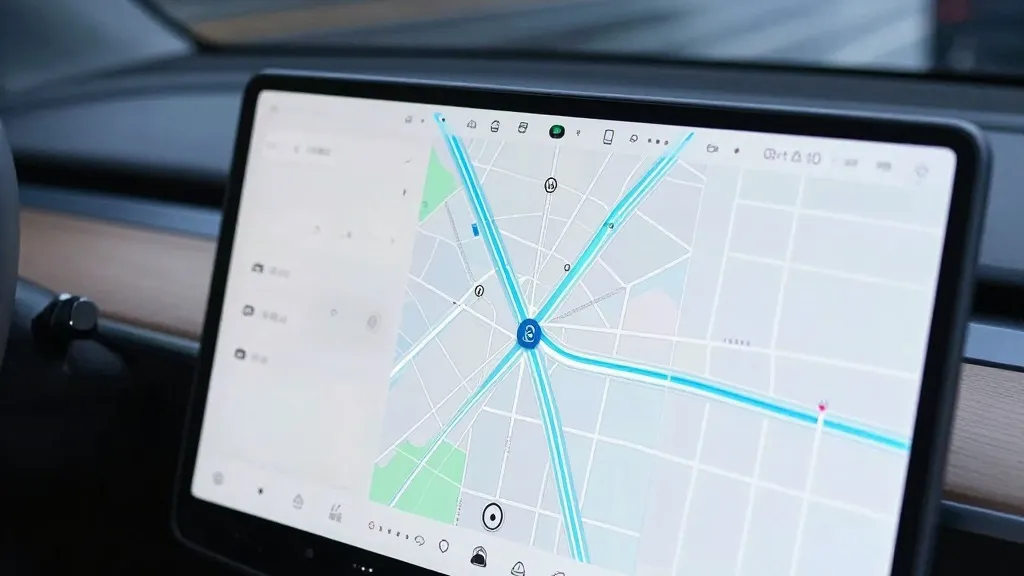
Tesla is currently constructing its own mapping infrastructure to resolve key flaws in its Full Self-Driving software. The company’s AI leadership team detailed this initiative during the Q3 2026 earnings call. This move aims to fix common issues such as misreading speed limits, navigating parking scenarios, and selecting efficient routes. By building an internal map, Tesla seeks to reduce its reliance on third-party data providers that have historically caused friction in the driving experience.
The path to this decision has been winding. When Tesla launched Autopilot in 2015, it initially began creating high-precision maps using data from its customer fleet. However, the narrative shifted dramatically at the 2019 Autonomy Day event. Elon Musk publicly dismissed high-precision lane maps as a "huge mistake," labeling the approach as "extremely brittle" and a "really bad idea." At that time, Tesla championed a vision-based system that could handle any environment without the need for detailed cartography or lidar sensors.
Seven years later, the strategy has evolved significantly. During a recent shareholder Q&A session, a retail investor highlighted that mapping remains a critical weakness. Specifically, they pointed to speed limits, parking, and typical routes as the top three areas where the system struggles. Ashok Elluswamy, Tesla’s VP of AI, agreed that the company should not depend on external maps. He revealed that Tesla is now developing a new AI-based architecture. This system will be fed by collective fleet learning, adapt to individual driver preferences, and respond to voice commands.
The rollout of this new technology will happen in stages. The system will first manage the start and end of trips with the release of FSD v15. Over the following months, it is expected to take over broader navigation, parking, and destination handling. This gradual implementation allows the technology to integrate smoothly while the fleet continues to gather essential environmental data. It represents a practical step toward improving reliability in everyday driving conditions.
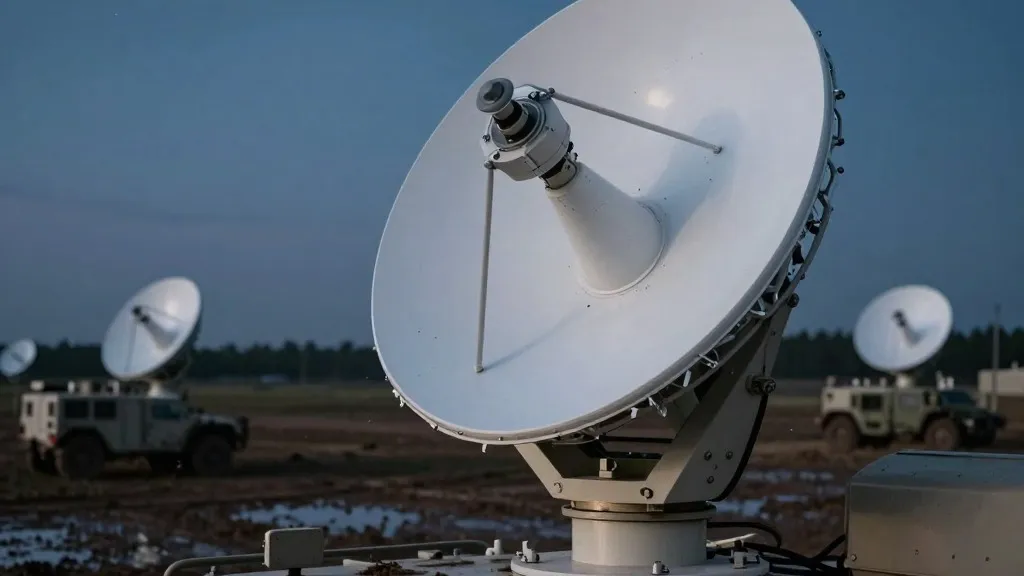
This development aligns Tesla more closely with competitors like Waymo. While Waymo uses lidar to create detailed HD maps before launching services, Tesla is now using its massive fleet to build a similar resource. The primary difference lies in the sensor hardware, but the core concept of using collected data to enhance driving performance is now shared. Tesla’s Robotaxi service already operates within specific geofenced areas, a method that mirrors the way Waymo manages its zones. As the fleet-built map becomes more detailed, it may evolve into a more precise tool for autonomous navigation.
Critics argue that this shift undermines Tesla’s long-standing messaging about the superiority of pure vision systems. If the system still struggles with basic tasks like reading a 30 km/h sign in Brussels, a better map provides a necessary corrective. Recent reports from a Belgian road safety group indicated that FSD vehicles often exceed speed limits in low-speed zones. Meanwhile, US regulators are examining similar complaints regarding school zones. By embracing maps, Tesla acknowledges that understanding the environment requires more than just real-time camera input.
The next phase involves integrating this new mapping layer into the broader FSD ecosystem. As the technology matures, it will likely reduce the need for human intervention in complex scenarios. This approach offers a potential advantage, as a map built from millions of vehicles can provide a comprehensive view of road conditions. For Tesla, this is not just a technical fix but a strategic adjustment to meet the demands of a competitive autonomous driving market. The focus remains on delivering a smoother, more accurate driving experience for all users.
More Business · Unethical Practices · Report a business · Got a Story?