UN Peace Mission Ends in Western Sahara After U.S. and Russia Deadlock
The 35-year mission concludes abruptly after conflicting Security Council votes, leaving the resource-rich territory without an international oversight body.
By Jonathan Hoffmann ·
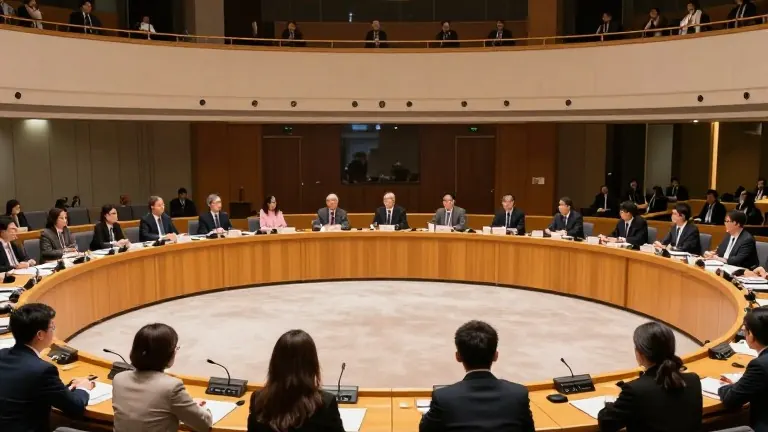
The United Nations peacekeeping mission in Western Sahara ceased operations on Sunday, ending a 35-year presence in the disputed territory. The abrupt conclusion followed a stalemate in the UN Security Council, where the United States and Russia failed to agree on the future of the region. The two permanent members vetoed competing resolutions, leaving the mandate to expire without a clear successor.
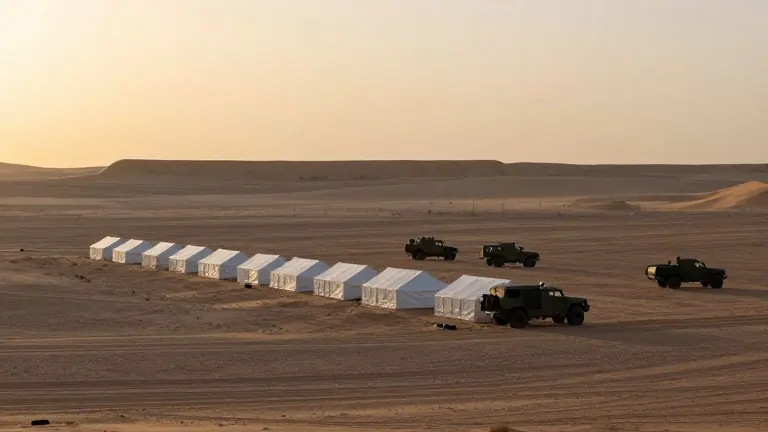
Stéphane Dujarric, the spokesperson for the UN Secretary-General, announced the end of the mission in a written statement. He noted that November 1, 2026, marks the start of the liquidation period. A smaller team will now oversee the orderly transfer of assets to the troop-contributing nations and the proper disposal of UN equipment. This reduced group will report to the UN Department of Operational Support.
The mission, originally established in 1991, had been extended repeatedly over the decades. The final day of operations arrived after a tense Friday session in the Security Council. The United States proposed a resolution that would have supported Morocco’s claim to sovereignty and ended the peacekeeping mission next year. Russia vetoed that measure. A subsequent Russian draft aimed at extending the mission was also rejected during the vote.
Western Sahara is a vast desert region in northwestern Africa, comparable in size to the U.S. state of Colorado. It sits along the Atlantic coast and is rich in minerals and fishing resources. The territory was formerly governed by Spain. Today, Morocco and the Polisario Front, a group advocating for independence, both claim ownership of the land. The UN classifies it as a non-self-governing territory, while critics of Moroccan control describe it as the last colony in Africa.
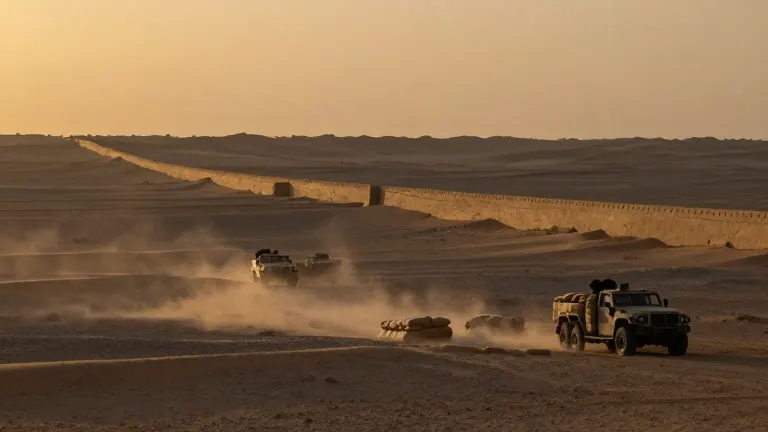
Morocco administers nearly the entire disputed area, excluding a narrow strip known as the free zone. This area lies east of a sand wall constructed by Moroccan forces. Rabat, the capital, refers to the region as its southern provinces. Integrating Western Sahara under its full sovereignty has been a central goal of Moroccan foreign policy for decades. The kingdom has secured backing from several Western capitals, including Washington, Paris, and London.
The Moroccan palace welcomed the decision not to renew the mission. Officials characterized the peacekeeping force as a tool used to internationalize the dispute. In contrast, the Polisario Front, which receives support from Algeria, called the decision unacceptable. The Algerian Ministry of Foreign Affairs expressed deep regret over the non-renewal of the mandate. It criticized the U.S. draft resolution for what it described as excessive bias.
The conflict over the territory began after Morocco annexed the region in 1975. The dispute escalated into an armed conflict that lasted more than 15 years. According to the French Senate, the war claimed more than 16,000 lives on both sides. The diplomatic standoff has become a defining feature of Moroccan diplomacy, with the kingdom often measuring its relations with other countries based on their stance regarding the territory.
The end of the mission raises concerns about stability in the region. Without the blue-beret peacekeepers, the international mechanism for monitoring the ceasefire is dissolved. The liquidation process will now determine how the remaining assets are handled. The reduced UN team will manage the departure of military personnel from the participating countries.