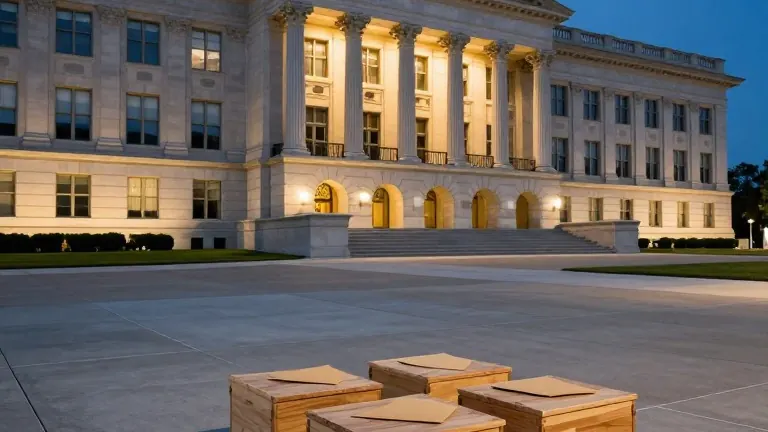
Democrats Reject Musk's $474 Million Midterm Bet
Despite record spending, Musk's favored candidates lost key races, forcing a reassessment of tech's political leverage and the future of data center expansion.
By Elijah Fitzgerald ·
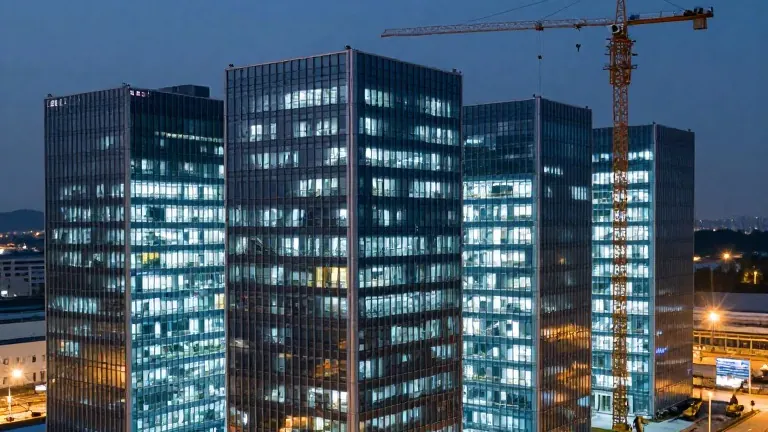
Elon Musk spent at least $474 million in the recent midterm elections, a record sum that failed to prevent a decisive Democratic wave. The results mark a sharp rejection of the tech sector's political influence, with voters electing candidates who oppose the industry and approving local measures to restrict data center growth.
Campaign finance records show that $224 million of Musk's total went to Texas, yet his favored candidates suffered defeats. Republican Senate nominee Ken Paxton and Governor Greg Abbott lost in the state, where Tesla operates its largest U.S. vehicle factory and SpaceX launches from its Starbase complex. These operations rely on state decisions regarding electricity, water, permits, and tax incentives.
Democratic Governor-elect Gina Hinojosa, who campaigned against corporate subsidies, has proposed a moratorium on new data centers and an end to industry tax breaks. While Republicans retain control of the state legislature, limiting her ability to overhaul policy completely, her administration could complicate Musk's expansion plans through tougher permitting. This shift leaves Musk with fewer allies in a legislature that may soon investigate his federal contracts.
Nationally, Musk's America PAC spent nearly $87 million across 44 federal races. By Wednesday morning, the Republicans they backed had lost 29 contests and won only three, with 12 races still uncalled. More than 93% of the group's spending went toward races that resulted in Republican losses. This follows a pattern from 2024, when his PAC supported eight losing congressional candidates, and 2025, when he spent over $20 million to elect a conservative in Wisconsin.
Other tech figures also invested heavily, with OpenAI President Greg Brockman and his wife contributing $25 million and Andreessen Horowitz adding $50 million. While the industry won some races, such as defeating a New York lawmaker who advocated for tougher AI safeguards, winning over local communities proved difficult. In Ohio, Democrat Sherrod Brown defeated Republican Sen. Jon Husted after attacking his support for data centers, aided by nearly $28 million in critical advertisements.
In South Carolina, Democrat Annie Andrews defeated Republican Sen. Darline Graham despite a late advertising push by a data center industry super PAC. Andrews had campaigned for a two-year moratorium on new data centers, a stance that resonated with voters. Data from AdImpact shows that campaigns and outside groups spent $173 million on ads regarding data centers during the general election, with the vast majority coming from Democratic advertisers and being almost entirely negative.
Voters also considered 41 local data center measures, with at least 10 communities approving bans or restrictions. The financial stakes for the industry are immense, as JPMorgan Asset Management estimates the AI infrastructure buildout could cost roughly $5 trillion through 2030. Approximately $2 trillion of this will be financed through investment-grade debt markets, making permitting delays and higher borrowing costs a direct threat to expected financial outcomes.
More Politics · National news · Report a business · Got a Story?