Economic Squeeze: Iranian Households Slash Spending Amid Soaring Costs
Rising prices and currency weakness are forcing families in Tehran to cut back on meat, dining out, and savings as the cost of living hits a critical point.
By Elijah Fitzgerald ·
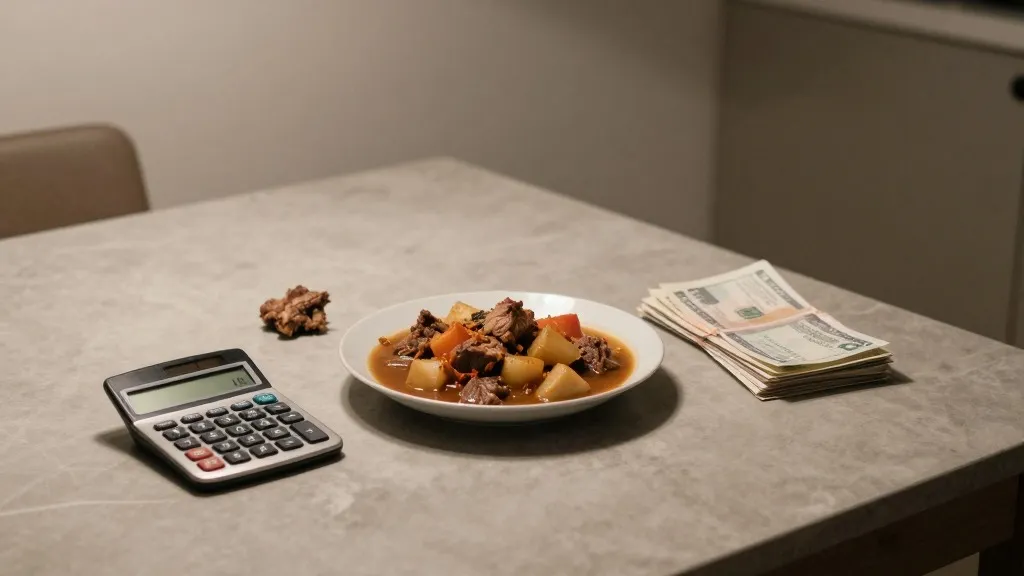
The cost of living in Iran has reached a breaking point, forcing ordinary families to abandon long-held habits and prioritize survival over comfort.
A recent field survey by Radio Farda in central Tehran reveals a stark shift in consumer behavior. Households are reordering their spending priorities, often choosing to forgo non-essential items to cover basic needs. The decline of the rial, combined with years of international sanctions and persistent inflation, has eroded purchasing power. This economic hardship was a primary catalyst for the protests in January, which were met with a forceful response from authorities. The situation deteriorated further after the United States and Israel launched a conflict on February 28, which damaged key infrastructure. Trade routes have been disrupted from multiple angles, with a US naval blockade reducing oil exports and imports. Iranian attempts to control the Strait of Hormuz also hindered shipping. In August, the US Treasury initiated a new sanctions drive labeled Economic D-Day to further isolate Tehran financially.
The impact is most visible in the kitchen. Cooking a standard meal of chicken and barberry now costs nearly double what it did a year ago. A plate of ghormeh sabzi, the national herb stew, served with rice, now requires 23 million rials, or about $8.45. Even simpler dishes like potato patties cost around 4 million rials. One family member noted that they now reserve most meat and chicken for their growing children. The adults consume legumes and meat substitutes instead, fearing that future price hikes will force them to cut protein from the kids' diets as well.
Independent data supports these personal accounts. Factnameh, a Canadian-based fact-checking group, calculated that a basket of 11 essential food items cost 56 million rials per person in September. For a family of three, that total exceeds 168 million rials, or $61.70. The government’s food voucher, worth 10 million rials, now covers less than 18 percent of the per-person cost. This is a significant drop from the roughly 30 percent coverage seen in December 2025. Annual inflation hit 89.9 percent in September, while the average monthly wage stands at only about $100.
Central Bank Governor Abdolnaser Hemmati addressed the situation on October 23. He acknowledged the heavy burden on citizens but maintained that efforts to isolate the economy had not achieved their main goals. For a retired woman on a monthly pension of 180 million rials, or $66, the strain is already affecting her health. She has reduced her intake of meat and other major protein sources since the Iranian new year in March. She feels fortunate to be rent-free, but her diet reflects the broader economic reality.
The squeeze is not limited to low-income earners. A middle-aged man in western Tehran reported household earnings of one billion rials, or $367, from his salary and rental income. This figure is well above the average Tehran household income of around 600 million rials, or $220. Despite his higher status, he stated he can live for today but has no savings for tomorrow. Travel, dining out, and saving have vanished from his routine.
Even younger professionals are adapting their social lives to fit their budgets. A 28-year-old woman earning 400 million rials, or $147, a month, changed how she socializes. She and her friends used to visit cafes weekly, but now they often order a single dish to share between two people. For her, splitting bills is the only way to make social outings affordable.
The immediate next step for many Iranians is a continued reassessment of household budgets. As prices continue to climb, the gap between income and essential costs will likely widen. Families are expected to maintain these tighter spending patterns until the economic outlook improves or new support measures are introduced.