Greenberg retains Louisville mayor seat after defeating Parrish-Wright
The incumbent secured 57.6 percent of the vote in the city's first nonpartisan general election, ending a months-long contest focused on development and data centers.
By Jonathan Hoffmann ·
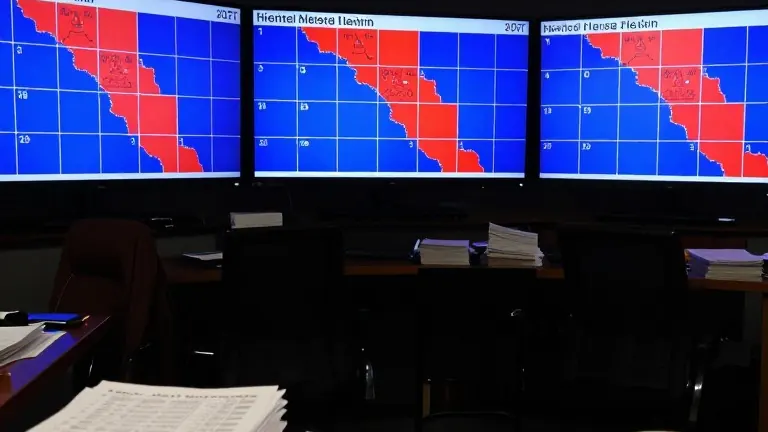
Louisville Mayor Craig Greenberg defeated Metro Councilwoman Shameka Parrish-Wright on Tuesday night to win a second term. With all precincts reporting, the Jefferson County Clerk’s Office credited Greenberg with 57.6 percent of the vote. The result concludes a competitive race in which the two candidates clashed over the city’s development agenda and public investment priorities.
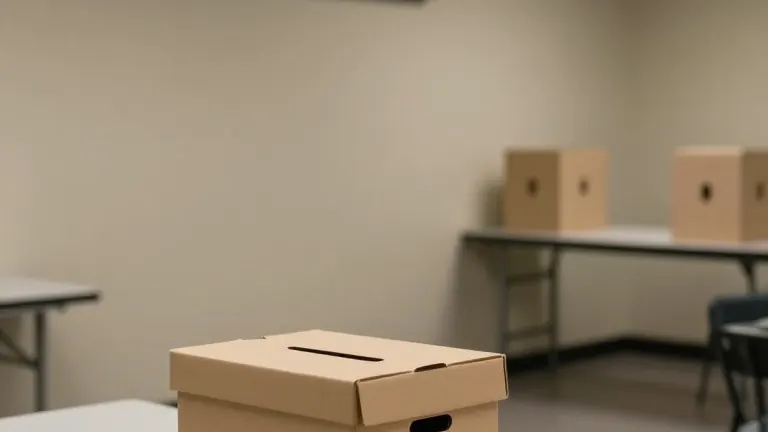
The election marked Louisville’s first nonpartisan general election, placing candidates on the ballot without party affiliations. Greenberg, who first took office in 2022, campaigned on a record of public safety improvements and affordable housing initiatives. His administration approved a $1.1 billion city budget in June, which allocated more than $40 million for housing alongside funds for parks and road repairs.
Throughout his first term, Greenberg advanced several large-scale projects, including the Slugger Field entertainment district and redevelopment plans for the Louisville Gardens and Humana Tower areas. He also promoted the reimagined Belvedere project and cited job creation and reduced homelessness on his campaign website as key indicators of progress.
Parrish-Wright, who has served in the city’s 3rd District since 2023, challenged Greenberg during the 2022 Democratic primary and again in this year’s general election. She positioned herself as a progressive alternative, criticizing the mayor for prioritizing business interests over neighborhood needs. The two frequently debated data centers, a topic that became a central point of contention during the campaign.
Parrish-Wright questioned Greenberg’s relationship with developer Steve Poe regarding a proposed 1.6 million-square-foot development near Rubbertown. Greenberg defended his approach by noting his administration’s push to ban new hyperscale data centers and its decision to sign a six-month moratorium on new proposals, although that pause did not apply to the Rubbertown project.
The candidates also disagreed on public transportation and housing strategy, with Parrish-Wright calling for deeper investment in both areas. Greenberg pointed to his administration’s existing efforts in these sectors as evidence of his effectiveness. The mayor will begin his new four-year term in January 2027.
The race followed a months-long period of debate that included specific disputes over local infrastructure and economic policy. The final tally confirmed Greenberg’s hold on the office after the 2022 election brought him into the role for the first time.