Spain's lunch menu costs 14.70 euros
The average price for the traditional daily set lunch has risen to 14.70 euros as weekday servings drop to four million.
By Elijah Fitzgerald ·
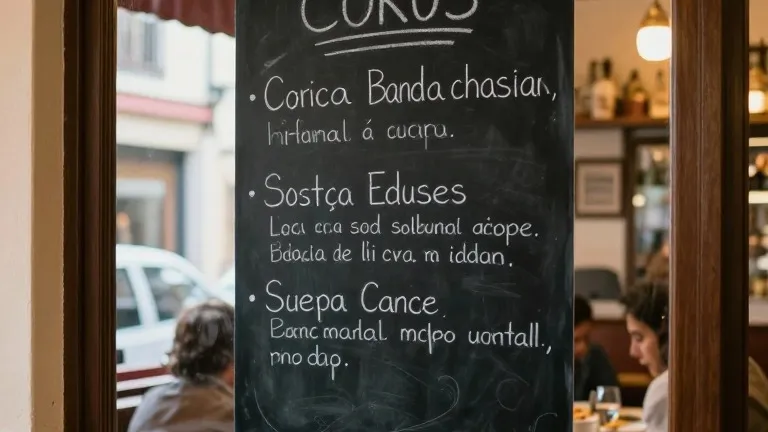
The menú del día has anchored Spanish workdays for over half a century, but its economic foundation is shifting. A new analysis places the average cost of this set meal at 14.70 euros. This price increase coincides with a decline in daily consumption across the country.
Approximately four million of these meals are served on any given weekday. This number reflects a long-term trend of erosion. Ferran Adrià, the renowned chef, declared the tradition dead in 2009. He cited changing habits and economic pressure. His prediction appeared premature, as the menu remains a staple in thousands of restaurants.
Lakshmi Aguirre, a Spanish food journalist, documented the history in her new book, Menú del Día. She traces the origin of the meal to the mid-1960s. Manuel Fraga, the information and tourism minister under Francisco Franco, created it. The goal was to show foreign visitors that food in Spain was plentiful and affordable. Laws fixed prices between 50 and 250 pesetas and mandated specific food components. These included a soup starter, a main dish of meat, fish, or egg, and a dessert.
The rules also covered beverages. The accompanying quarter-litre of wine had to be a pure Spanish red or white with at least 12% alcohol. In the early 1970s, the offer was renamed to encourage locals to dine out, not just tourists. Aguirre notes that many Spaniards are surprised to learn of its state origins. She observed that people often react with shock when they hear the name Fraga.
Economic pressures are driving the current changes. Rising energy and food costs strain small, family-run restaurants. Many workers now save time by bringing food from home or using supermarket ready meals. Some establishments have simplified their offerings to a single daily dish. Others have added Latin American items to match changing demographics. Aguirre views these shifts as natural reflections of society.
The cultural role of the lunch remains important to some. Aguirre describes it as a meeting point for families with limited means and for people living alone. She argues that the value lies not just in the low cost, but in the time allocated for the meal. The tradition continues, but the financial barrier has risen sharply in recent years.
More Culture · World news · Report a business · Got a Story?