Tesla owners will not get fully self-driving cars until 2027
The company has clarified that its next step for autonomous driving involves integrating customer vehicles into its existing robotaxi network rather than enabling unrestricted personal use.
By Elijah Fitzgerald ·
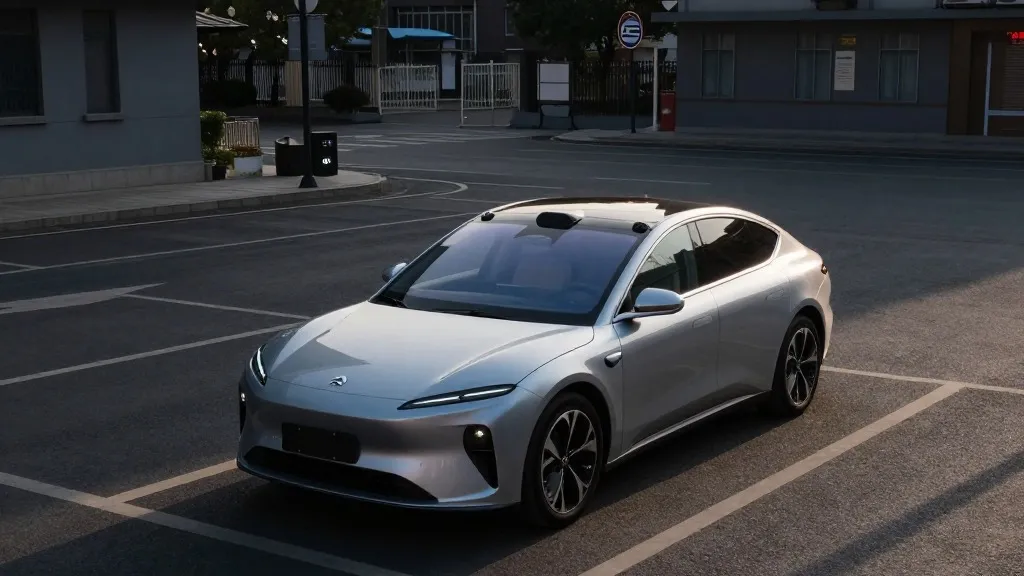
Tesla has officially pushed the timeline for unsupervised full self-driving capabilities in customer-owned vehicles to the second quarter of 2027. This announcement came during the company's third-quarter earnings call, marking the latest shift in a schedule that has been a point of contention for investors and buyers for nearly a decade. The date represents a significant delay from previous projections and sets a new benchmark for when the technology might become available to the general public.
The primary detail that distinguishes this update from past promises is the specific nature of the feature. Ashok Elluswamy, Tesla's head of AI, explained that the initial rollout will not function as a standalone software update that allows owners to drive anywhere. Instead, the system will operate by adding customer vehicles to Tesla's managed robotaxi fleet. In this model, the car drives itself only within the specific geographic zones where Tesla already operates its robotaxi service. This means the vehicle is effectively working for the company's network rather than serving as a private, autonomous chauffeur for the owner.
Shareholders raised this issue directly during the call, with a question supported by approximately 1.1 million shares asking when unsupervised FSD would arrive in customer cars. Elluswamy confirmed the Q2 2027 target but emphasized the operational constraints. He described the process as owners integrating their vehicles into the existing infrastructure. This approach suggests that the car's ability to drive itself is tied to its participation in the robotaxi ecosystem, rather than being a universal capability available across all roads.
The geographic scope of these zones remains limited. Tesla's robotaxi service currently operates in six US metropolitan areas, but the service areas within those cities are often small and fragmented. For example, the Miami zone primarily covers West Miami and a strip extending toward Doral and Sweetwater. Similar small geofences were established in Orlando and Tampa in July. Within these areas, the vehicles stick to low-speed routes and generally avoid highways and complex urban environments. In the Bay Area, the service is not yet unsupervised due to California regulations that require a safety driver because Tesla has not released the necessary data to the state DMV for full autonomous approval.
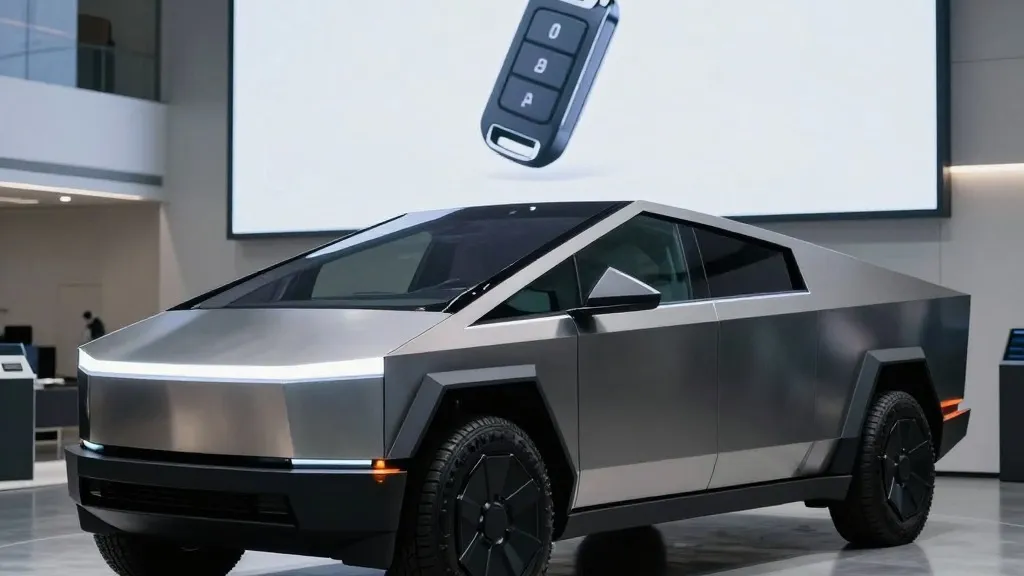
The scale of the current fleet also raises questions about readiness. Tesla reported that its robotaxi service reached nearly 2 million cumulative unsupervised miles by the end of the third quarter. This figure includes the Cybercab, which joined the Austin fleet recently. However, third-party tracking from earlier this year indicated that only dozens of fully driverless Teslas were on the road, a number far below the hundreds of thousands previously discussed by company leadership. In comparison, competitor Waymo had already established a presence in Orlando and Tampa before Tesla entered those markets and has logged over 3 million miles.
This new definition contrasts sharply with the product pitch that has been used for years. Since 2016, the marketing to FSD buyers has suggested that a future software update would enable the car to drive itself anywhere. In July 2025, Elon Musk told investors that unsupervised FSD would be available for personal use in certain geographies by the end of that year. He had previously expressed surprise if the technology was not available the following year. Now, the product is narrower, requiring the car to join the fleet, operate in specific zones, and adhere to Tesla's operational terms.
There are also hardware considerations that complicate the rollout. Owners with the HW3 hardware have been informed that their vehicles cannot run unsupervised FSD at all, and there is no clear upgrade path provided. This creates a divide between different model years and hardware versions, potentially limiting the number of vehicles that can participate in the early stages of this program. The reliance on specific hardware and software configurations adds another layer of complexity to the timeline.
Safety remains the central bottleneck according to Elluswamy. He reiterated that the company is limiting operations to low-speed roads and less complex environments to ensure reliability. While he guessed that these safety issues would be resolved by next year, he acknowledged that the timing is not guaranteed. The uncertainty in the timeline suggests that Q2 2027 is a target rather than a confirmed date, leaving room for further adjustments as the technology matures.
For consumers, the shift in strategy changes the value proposition of the FSD package. The goal has moved from a car that drives you anywhere to a car that can work as a robotaxi within a controlled area. This limits the practical benefits for daily commuting unless both home and work are located within an active zone. The absence of highway access and long-distance capability means the feature will not support road trips or cross-town travel in its initial form. As Tesla continues to refine its approach, the gap between the original promise and the current product definition remains a key point of discussion for stakeholders.
The next few months will be critical in determining whether Tesla can maintain this new timeline. The company will need to expand its operational zones and increase the number of vehicles in its fleet to make the feature meaningful for a broader audience. Until then, the Q2 2027 date serves as a checkpoint for progress, but the specific mechanics of how customer cars will integrate into the robotaxi network will likely face scrutiny as more details emerge.