U.N. Withdraws Troops From Western Sahara After Security Council Deadlock
A 35-year peacekeeping mission concluded Sunday following conflicting vetoes from the U.S. and Russia, leaving the disputed desert territory without its primary international security monitor.
By Adewale Fletcher ·
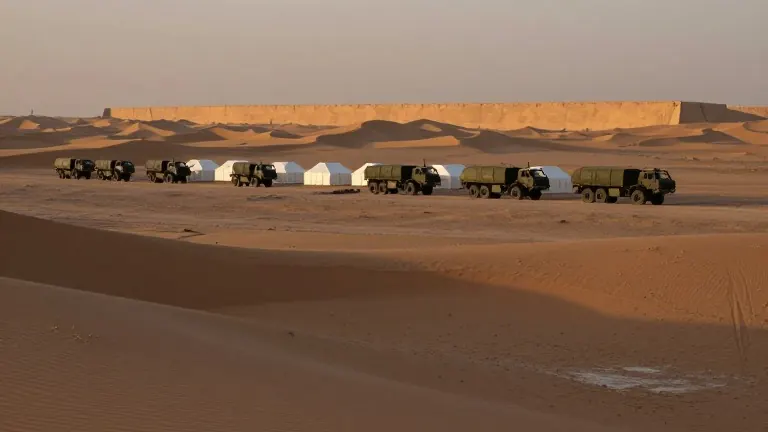
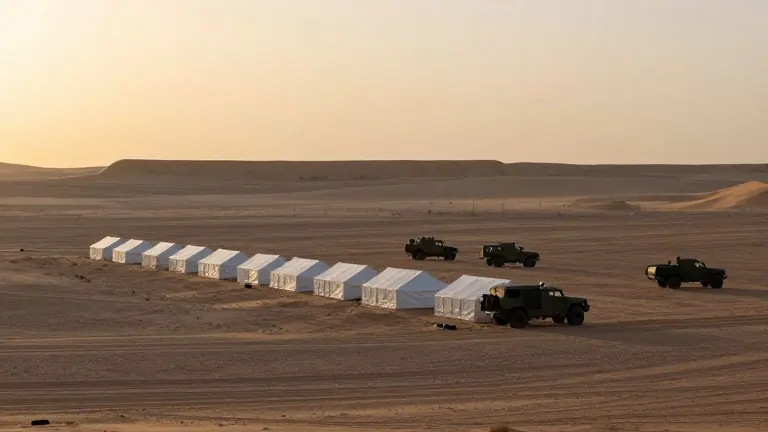
The United Nations ceased its peacekeeping operations in Western Sahara on Sunday, ending a 35-year presence in the disputed desert region. The withdrawal follows a stalemate at the U.N. Security Council where opposing votes from the U.S. and Russia prevented the renewal of the mission's mandate. Stéphane Dujarric, the spokesperson for the U.N. secretary general, confirmed that November 1, 2026, marked the start of the liquidation period. A smaller team from the Department of Operational Support will now oversee the transport of assets to troop-contributing nations and the disposal of U.N. equipment.
The mission, known as MINURSO, was established in 1991 to monitor a cease-fire and organize a referendum on self-determination. That vote never occurred due to disagreements over voter eligibility. Morocco and the Polisario Front could not agree on whether to include Sahrawis living in territory controlled by Morocco or rely on Spain's colonial census. The force was authorized for 534 personnel, with a 2026-2027 budget exceeding $62 million. Egypt, Ghana, and Pakistan provided the largest shares of the troops, of which 20 personnel died in the line of duty over the mission's history.
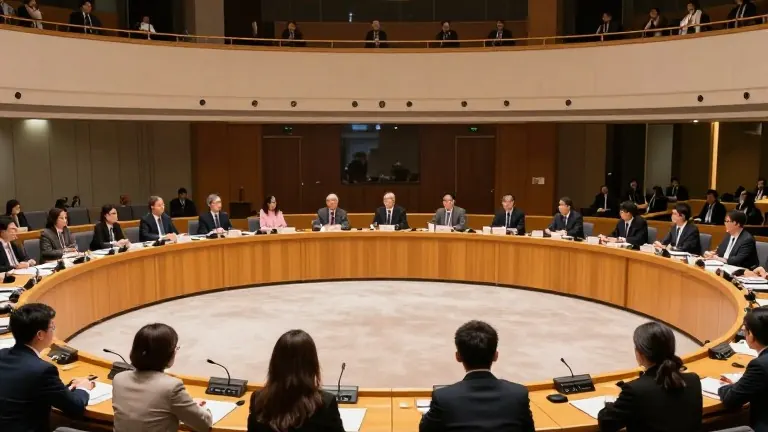
The deadlock in New York created the abrupt end to the mission. Russia vetoed a U.S. draft resolution on Friday that would have supported Morocco's sovereignty and ended the mission the following year. Subsequently, a rival Russian resolution to extend the mandate was voted down. Morocco's royal palace described the mission as an instrument to internationalize the dispute and welcomed its non-renewal. In contrast, the Polisario Front, backed by Algeria, called the decision unacceptable. The Algerian foreign ministry expressed profound regret and criticized the U.S. draft for excessive bias.
Western Sahara, a territory roughly the size of Colorado, has been a source of tension since Morocco annexed it in 1975. The initial conflict lasted more than 15 years and killed over 16,000 people, according to the French Senate. Morocco administers most of the region, while the Polisario Front controls a strip known as the free zone. The U.N. classifies the area as a non-self-governing territory. The Polisario Front, which operates from refugee camps in Tindouf, Algeria, seeks to establish an independent Sahrawi Republic. The movement withdrew from the 1991 cease-fire in 2020 after clashes, and the U.N. reported low-intensity hostilities and tensions in the region last month.
The U.N. secretary general urged all parties to respect the rights of the people of Western Sahara and exercise maximum restraint to avoid an escalation of hostilities. The end of the mission places the dispute between Morocco and Algeria back at the forefront of regional diplomacy. The two nations severed diplomatic ties in 2021. Algiers views full Moroccan sovereignty as a major defeat, while Rabat sees the issue as central to its foreign policy and has secured backing from capitals including Washington, Paris, and London.