UAE Closes Beaches as Tanker Spill Reaches 35km
Oil from the struck Gem No.2 has spread 22 miles along the coast, threatening a key biodiversity area and prompting emergency containment efforts.
By Jonathan Hoffmann ·
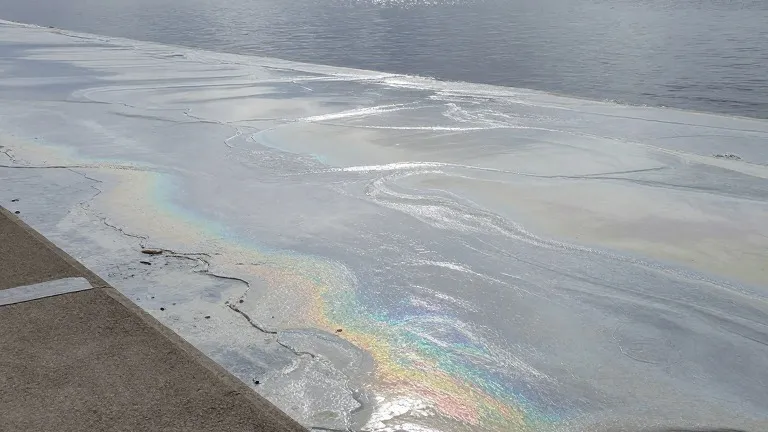
The UAE has closed beaches and coastal zones near Umm Al Quwain after an oil slick expanded to more than 35 kilometers along the shoreline. The spill originates from the crude oil tanker Gem No.2, which was attacked on 9 October near the Strait of Hormuz. Authorities confirmed the closure on Thursday after verified video footage from Friday showed black oil reaching the shore.
Satellite imagery reviewed by BBC Verify and the intelligence firm MAIAR shows the spill grew rapidly over two days. A small leak was visible on 19 October, but by Wednesday, the slick stretched 22 miles from the vessel. The maritime intelligence firm Vanguard reported the Panama-flagged ship was struck by an unknown projectile just north of Al Jazeera Al Hamra, igniting a fire that was later extinguished.
The UAE Ministry of Climate Change and Environment stated it began containment operations immediately to limit environmental impacts. All 22 Indian crew members on board were rescued, according to the Indian consulate in Dubai, which confirmed this on 11 October. Iranian state media described the vessel as using an unauthorized route through the strait when it was hit.
The slick now extends toward Siniyah and Khor Al Beidah islands, a globally recognized Key Biodiversity Area. This region contains coral reefs, seagrass beds, and saltmarshes, and serves as habitat for green turtles and the critically endangered Halavi guitarfish. Eoghan Darbyshire, a scientist at the Conflict and Environment Observatory, identified the proximity of the spill to this area as the most concerning environmental factor.
Prof Steve Widdicombe, director of the Sharjah Marine Science Research Centre, said an ecological impact is inevitable. However, researchers note it is too early to determine the severity of the damage. The extent of harm depends on the volume and type of oil spilled, the rate of evaporation, and the effectiveness of the cleanup. Oil can kill marine life by trapping turtles, smothering seabirds, or damaging fish gills, while long-term exposure to toxic compounds may affect reproduction.
The attack on the Gem No.2 was part of a record number of ship strikes in the area at the start of October. Security experts told BBC Verify these strikes were part of an Iranian effort to assert control over the waterway in response to US military escorts. Commercial ships have faced attacks from both sides amid the conflict between the two nations. A previous major spill in the region reached Iran's Qeshm Island in August, threatening local wildlife and fishing communities.