Zhytomyr Police Detain 17-Year-Old for Methadone Poisonings
Authorities say a Russian handler paid the teen to send lethal doses to soldiers via Telegram, resulting in two deaths and four averted killings.
By Elijah Fitzgerald ·
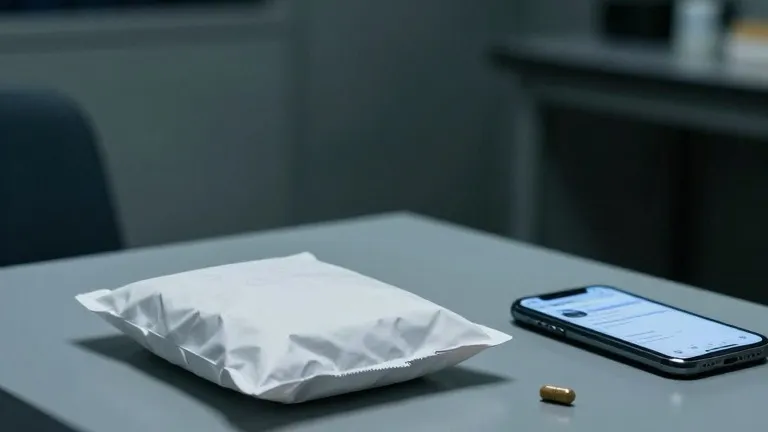
A 17-year-old girl in Zhytomyr faces prison time for allegedly mailing lethal doses of methadone to Ukrainian soldiers under orders from a Russian security service. Police announced the detention on Friday, stating the teen acted on behalf of a Russian handler who promised her at least 5,000 hryvnias, approximately $111, for her cooperation.
The suspect contacted military personnel through the Telegram messaging app, offering them parcels described as "free drugs." The police statement notes that recipients were instructed to consume the capsules on camera. Unaware of the contents, the soldiers ingested a lethal dose of the medication. Two men died from the poisoning in the Zhytomyr region.
Investigators identified additional recipients of the packages across the country. By tracking these deliveries, authorities prevented four other suspected murders. The teen has been formally charged with aiding and abetting the premeditated murder of two individuals as part of a prior conspiracy. She is also suspected of shipping drugs and psychotropic substances for distribution.
If convicted, the 17-year-old faces a maximum sentence of 15 years in prison. Ukrainian police warned that the operation was part of a wider Russian effort to kill personnel and destabilize the nation. Officials urged the public to avoid accepting medication, food, or drinks from strangers of dubious origin.
This case follows a pattern of minor recruitment during the war that began in 2022. Both nations have accused each other of using young people for sabotage and poisoning. Ukrainian authorities have opened thousands of investigations into collaboration with the enemy, leading to regular arrests of individuals accused of working for Moscow.
Poisoning allegations have gained attention in recent years. In 2023, Ukraine accused Russia of poisoning the wife of Kyrylo Budanov, then head of military intelligence and now a presidential adviser. Several other GUR personnel were diagnosed with the same condition. That same year, Paris prosecutors opened a probe into the poisoning of a Russian journalist who had protested on state television. President Volodymyr Zelenskyy later told The Sun that he has survived at least five or six assassination attempts since the invasion began.