Voters Focus on Inflation and Tariffs in Midterm Election
AP-NORC data shows economic concerns driving voter sentiment as polls open across the country.
By Elijah Fitzgerald ·
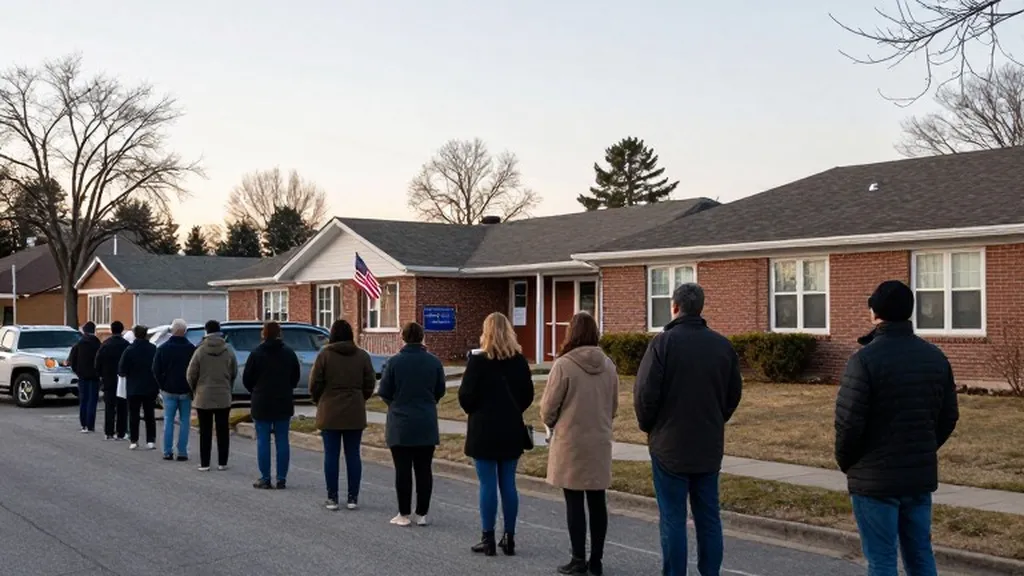
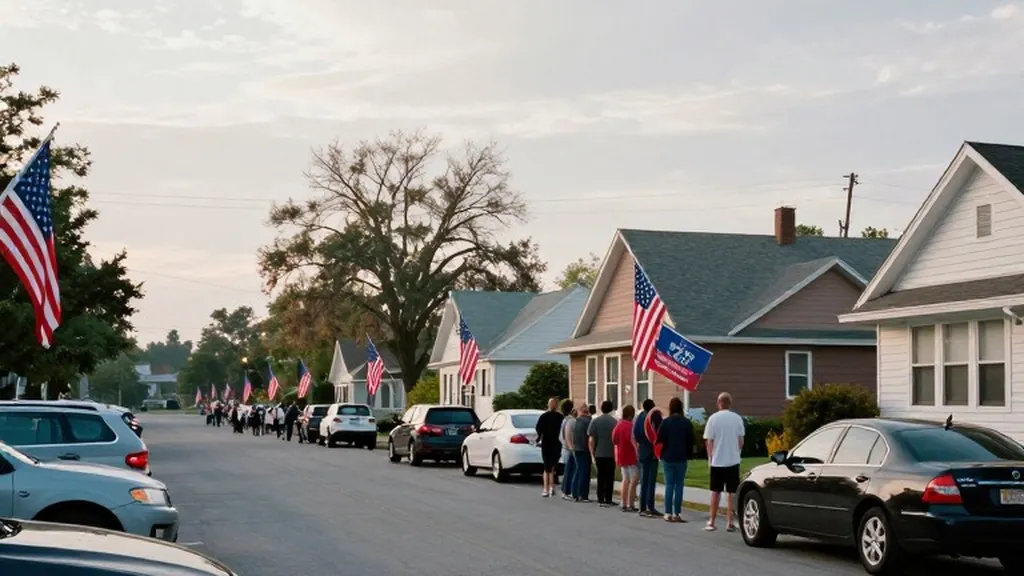
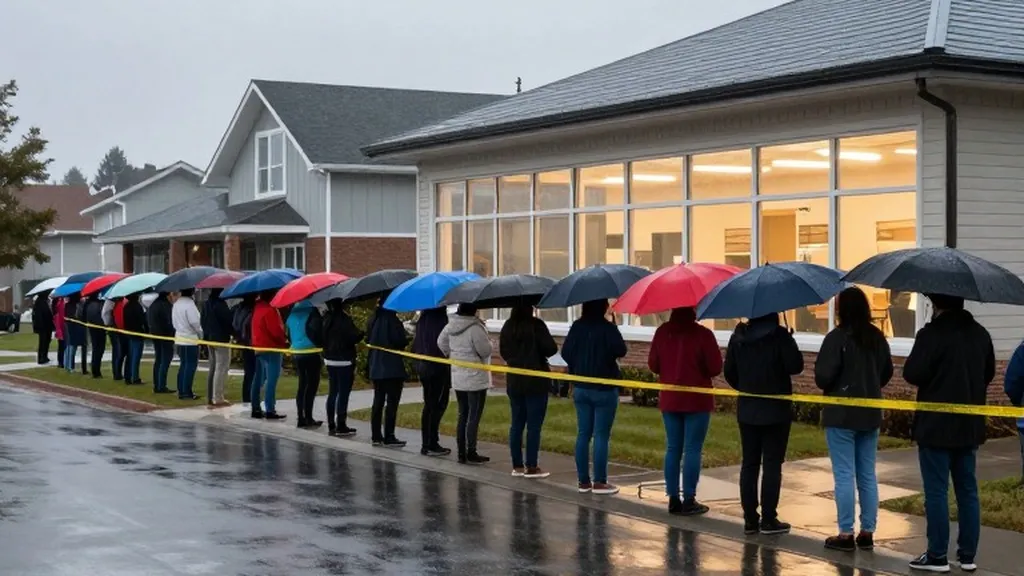
It is Election Day, Tuesday, November 3, 2026, and voters across the nation are heading to the polls or mailing in their ballots to decide the balance of power in Congress. All 435 seats in the U.S. House are up for grabs, along with 35 Senate seats and 36 governorships. The results will determine which party controls the legislative branch for President Donald Trump's final two years in office. Republicans currently hold a majority in both chambers, but the midterms present a significant challenge for the president's party. Democrats need a net gain of three House seats to take control of the lower chamber, while Republicans can afford to lose no more than two. In the Senate, Democrats require a net gain of four seats to achieve a majority, whereas Republicans can only lose two seats to retain their lead.
The Associated Press describes the election as a referendum on Trump's second term, noting that voters are struggling with high prices and anger over an unpopular war with Iran. AP-NORC polling data indicates that 35 percent of U.S. Adults approve of Trump's job performance. However, approval of his handling of the economy stands at only 25 percent. About seven in ten Americans say the country is heading in the wrong direction. Most respondents in the poll blame the president for the high cost of living. This economic discontent is shaping the narrative in key battleground states where voters are weighing their options.
In North Carolina, a state using a new congressional map after mid-decade redistricting, voters are deeply focused on the cost of living. James Moore, a 57-year-old librarian in Raleigh, expressed frustration with his financial situation. Moore stated that he is paying more taxes, more for healthcare, and more for everything. His comments reflect a broader sentiment among independent voters who feel the squeeze of inflation. The AP notes that the state is competitive, with former Governor Roy Cooper facing former RNC chair Michael Whatley in the Senate race. The new map has drawn attention to this state as a potential tipping point for Senate control.
Meanwhile, in Palm Beach Gardens, Florida, a state also using a new congressional map, voter sentiment appears more favorable toward the incumbent administration. Mark Barker, a local voter, said that he has been following Trump the whole time. Barker believes the president is doing an awesome job. This contrast highlights the divided nature of the electorate. Republicans are bracing to lose the House but are fighting to hold the Senate. One or two seats could tip either chamber. Democrats are described as cautiously optimistic, hoping to capitalize on economic frustrations. Trump held dozens of rallies leading up to the election, ending Sunday in Salina, Kansas, where he urged voters to pretend he was on the ballot.
Tariffs and economic strain have made several states more competitive than expected. The AP specifically mentions Maine, where economic pressures have shifted the dynamics of the Senate race between Senator Susan Collins and Troy Jackson. In Michigan, the race between Abdul El-Sayed and Mike Rogers is also tight, with El-Sayed's former primary opponent endorsing Rogers on Sunday. The AP notes that in Kansas, a reliably Republican state, the fight for Senate control has become central. The state's new congressional map and the presence of high-profile candidates have drawn national attention. Voters in these states are making decisions based on their personal experiences with prices and economic stability.
Money is playing a significant role in this election, which is likely to be the most expensive in history. AP analysis of AdImpact data shows that 88.1 percent of Republican general election TV ad spending went to states and districts Trump won in 2024. This includes more than $850 million spent in areas where he won by 10 points or more. At the candidate level, however, Democrats outraised their opponents. Republican committees overall outraised and outspent Democratic committees, aided by Trump-affiliated groups and Elon Musk. The flow of funds is shaping the messaging in key districts, with both parties emphasizing different economic arguments to appeal to independent voters.
The mood among party leaders reflects the uncertainty of the outcome. RNC Chairman Joe Gruters stated that everything depends on turnout. He emphasized that if Republicans turn out their voters, they win. DCCC Chair Rep. Suzan DelBene countered that the American people are angry and want change. These statements encapsulate the strategies of both parties. Republicans are trying to beat the historical midterm pattern where a president's party almost always loses seats. They have relied on redistricting in states like Florida and Texas, though new districts may not vote as drawn. Democrats are focused on oversight and the cost of living, with House Democratic Leader Hakeem Jeffries outlining a 100-day agenda on these issues if they gain control.
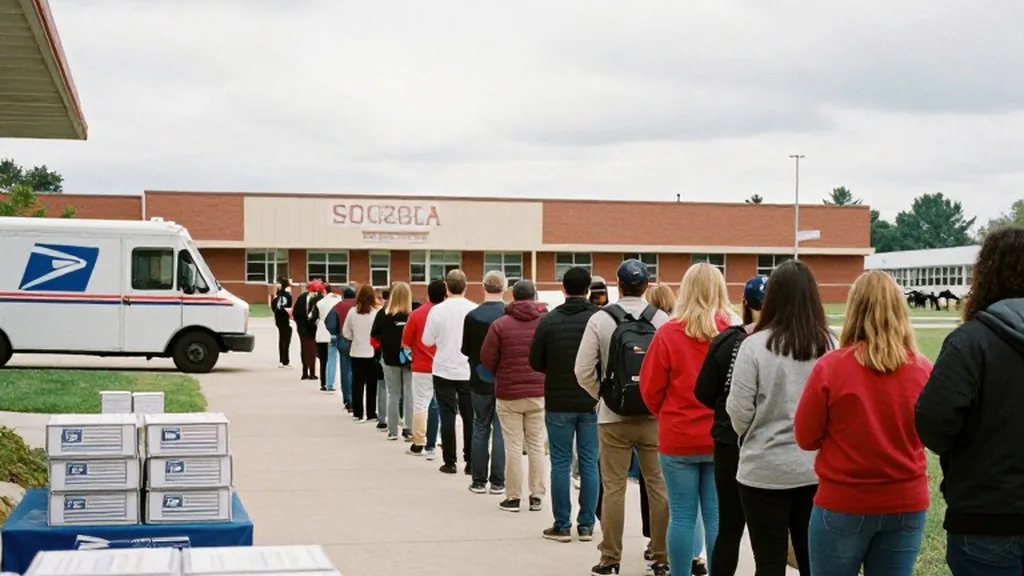
Election administration has also been a point of contention. A federal judge temporarily barred the Trump administration from carrying out a plan to prevent noncitizen voting, a move critics say risks disenfranchising eligible voters. Another judge ordered the administration to stop demanding that California election officials segregate ballots cast by people on lists of suspected noncitizens. The U.S. Postal Service added hours and staff to ensure mail ballots are counted on time. These legal and logistical issues are being watched closely by both parties. Wall Street is also monitoring the election, with Reuters noting that results could add to investor concerns about AI spending and debt ceiling negotiations.